

About the
Project
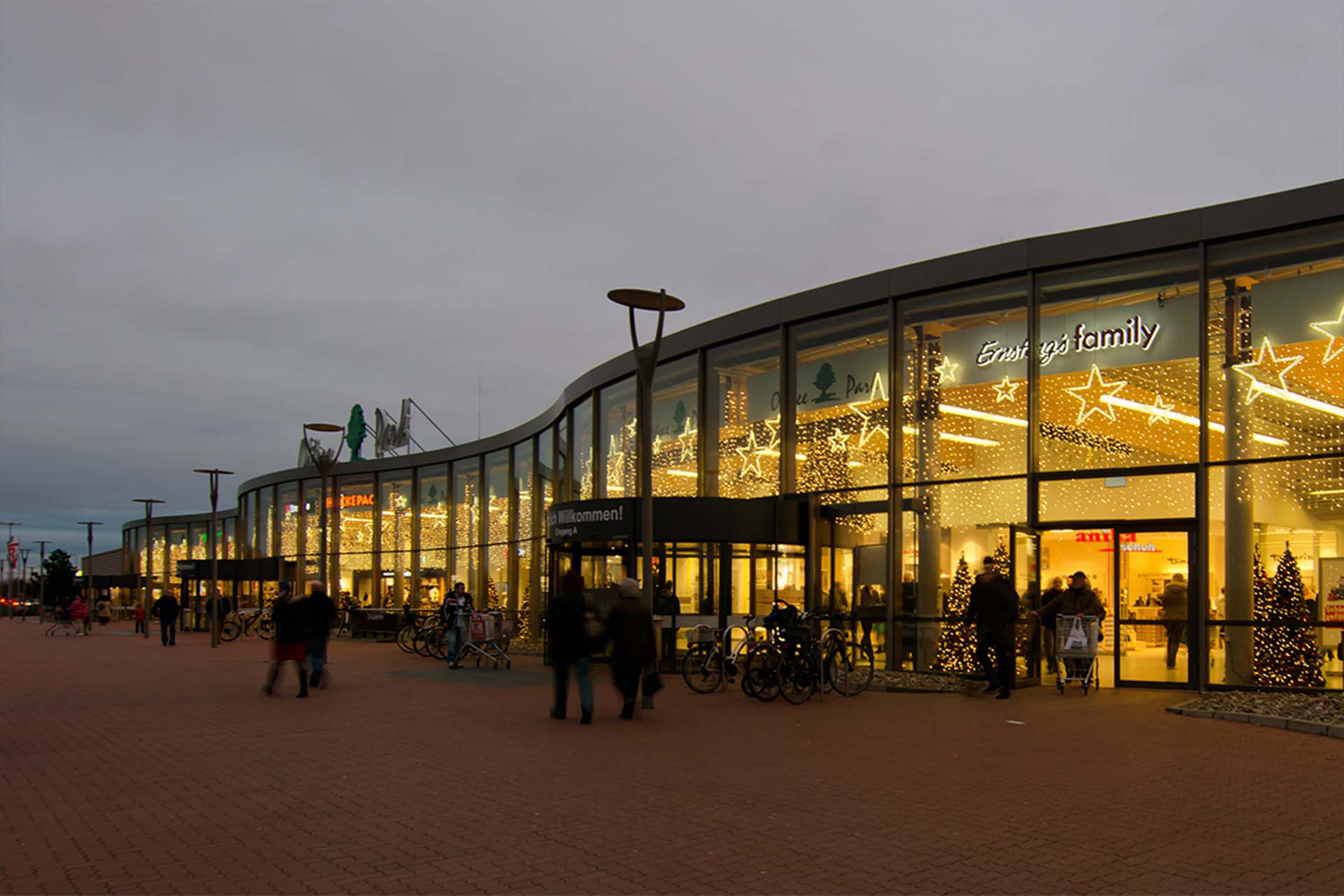
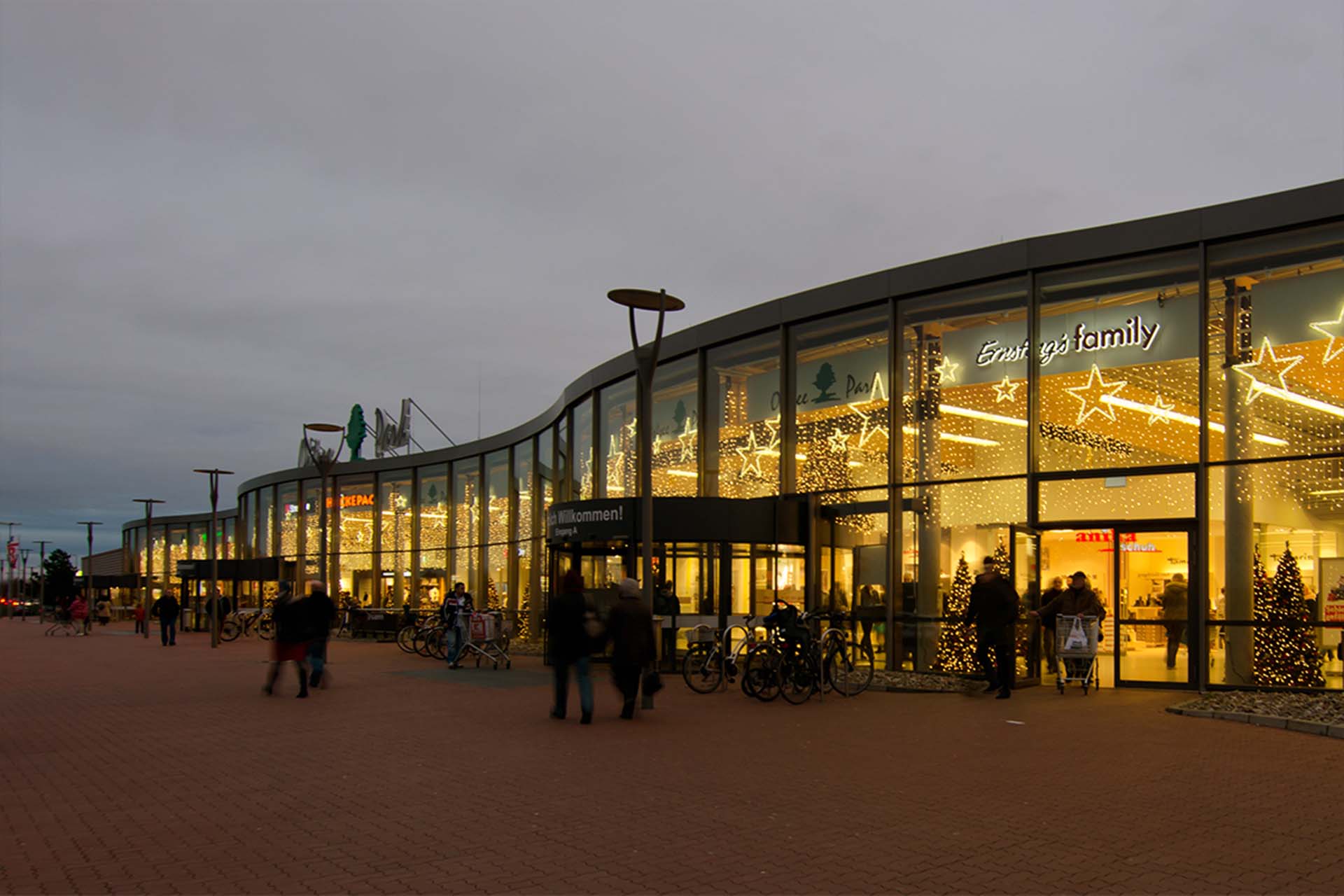
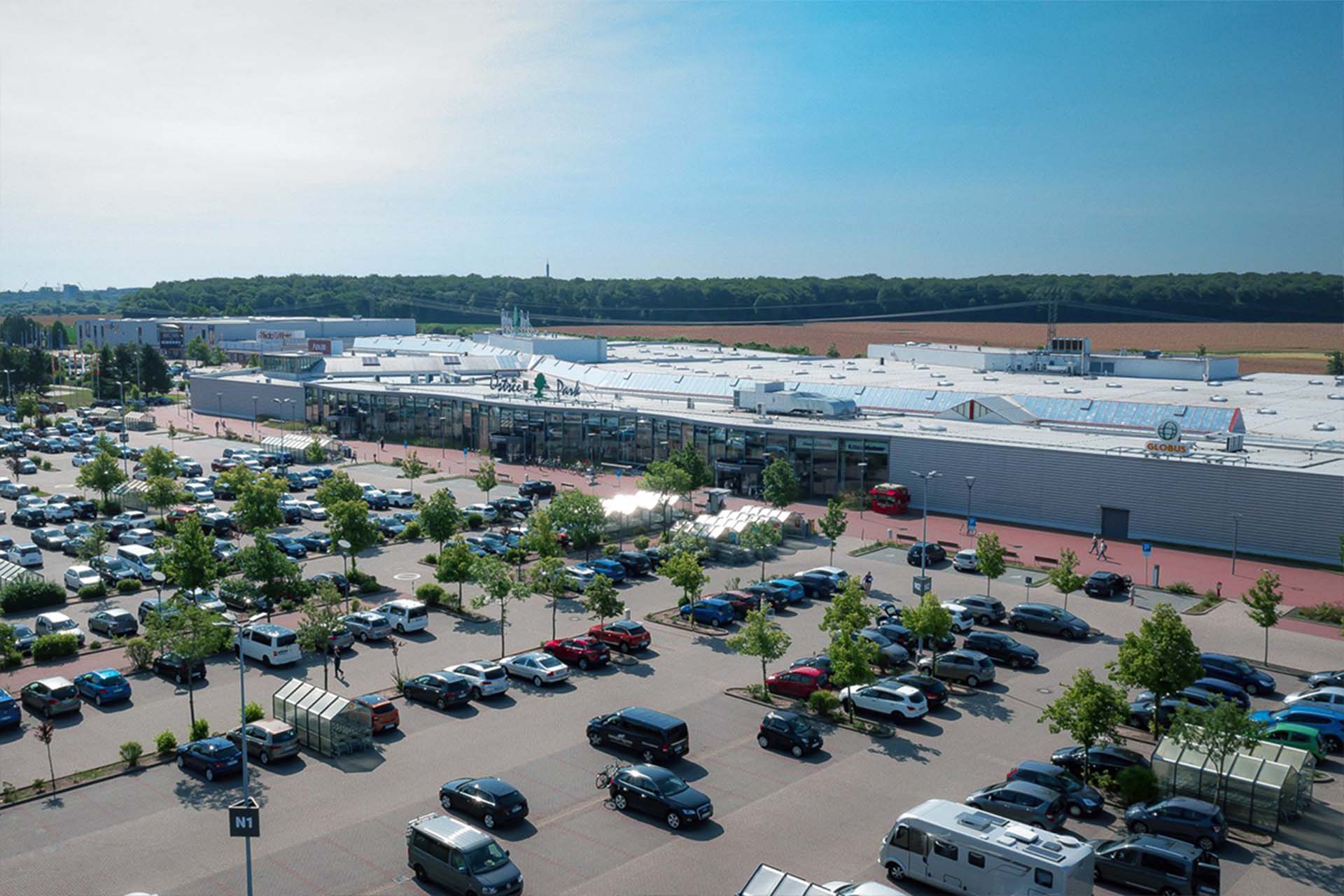
Baltic Sea Park transcends its role as a functional retail hub, emerging as a deliberately orchestrated architectural and spatial environment.
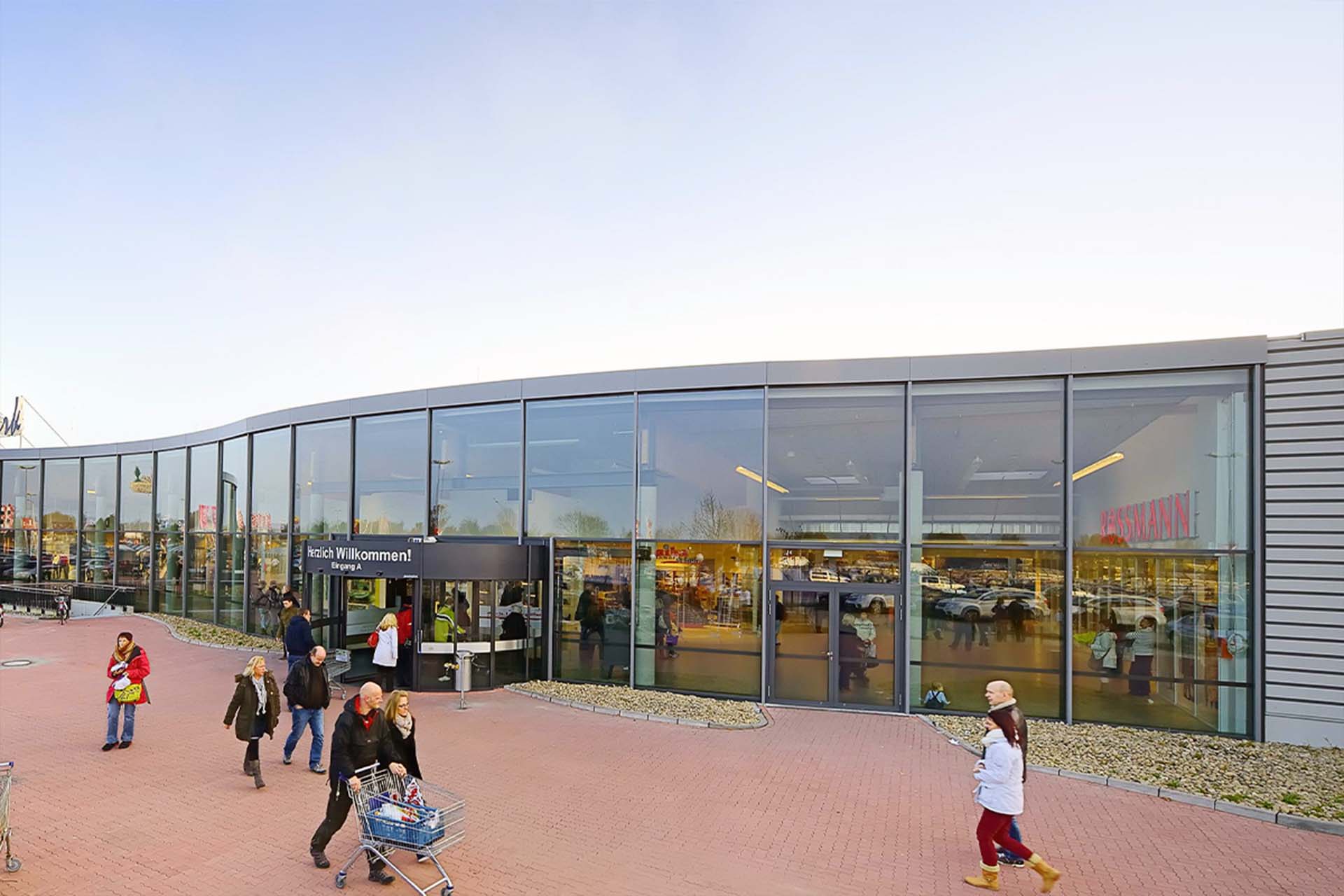
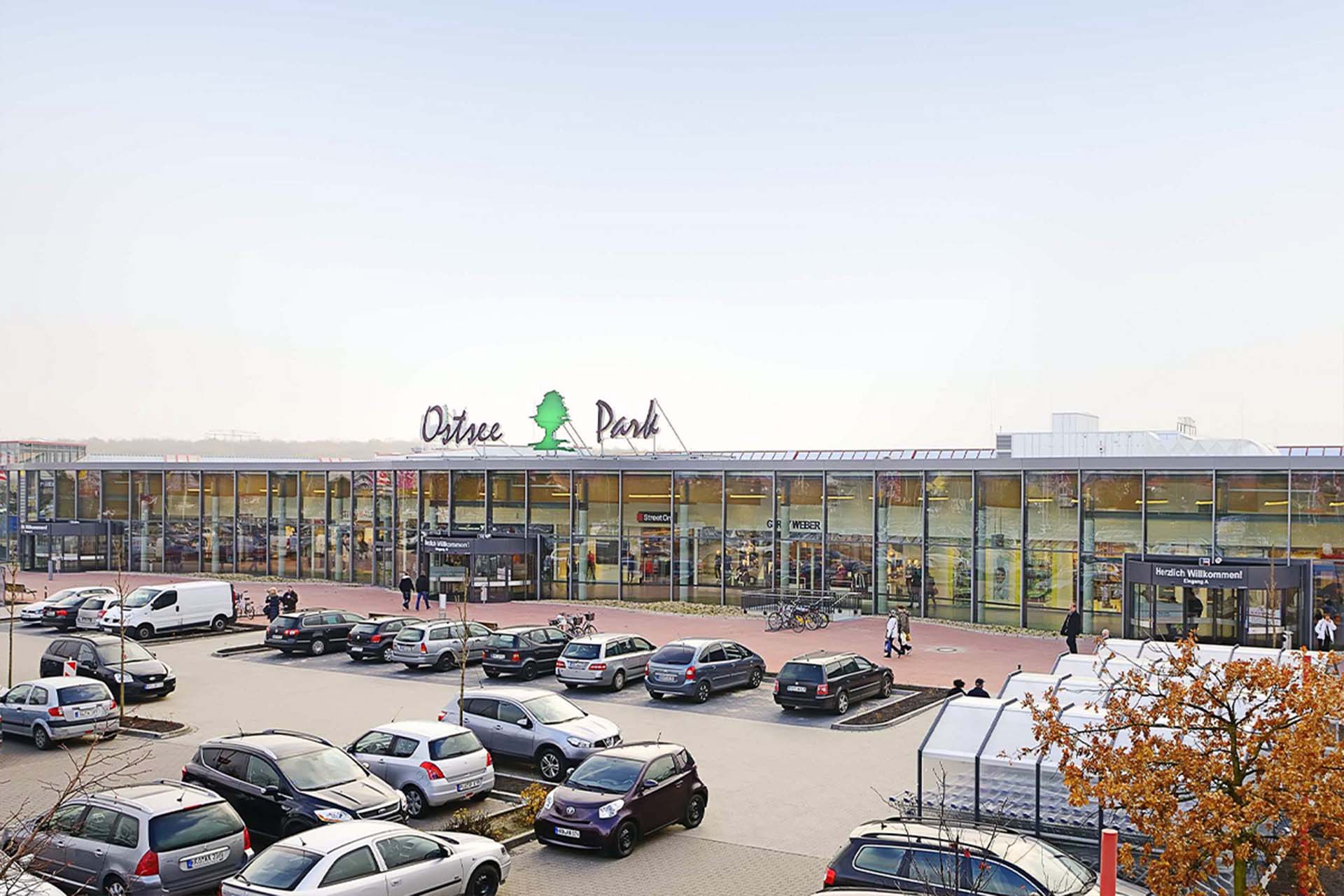
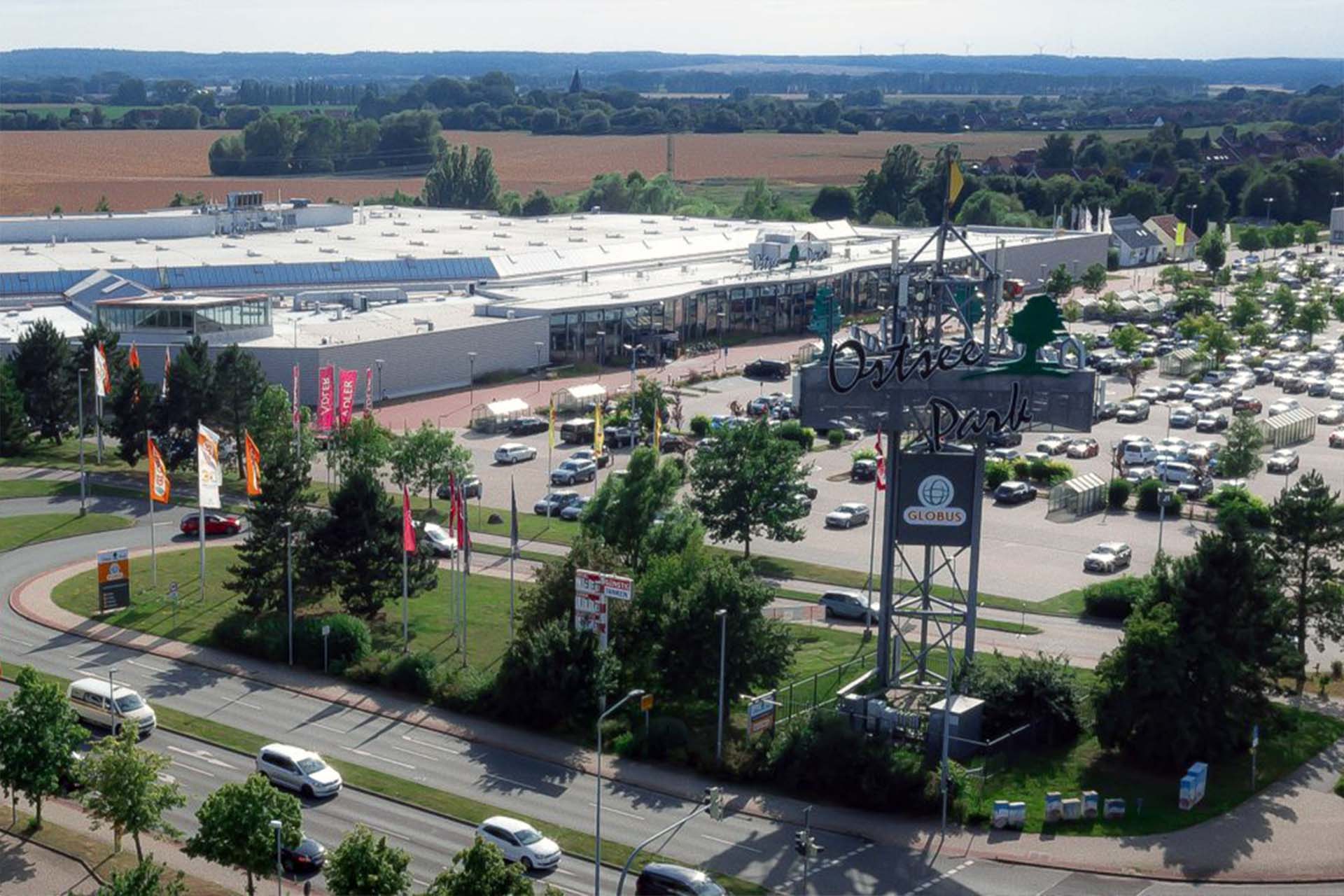
Its linear, single-storey form establishes a strong visual and functional spine, enabling intuitive pedestrian flow and seamless access from the expansive surface parking, while strategically positioned anchor tenants generate natural circulation patterns that activate both primary and secondary retail zones.
Its linear, single-storey form establishes a strong visual and functional spine, enabling intuitive pedestrian flow and seamless access from the expansive surface parking, while strategically positioned anchor tenants generate natural circulation patterns that activate both primary and secondary retail zones.
Info
“Where Function Meets Coastal Flair.”
-
ClientMetro Properties
-
LocationRostock, Germany
-
Project delivery phase2012-2013
-
Scope of WorkProject & Construction Management
-
ArchitectKEC Planungsgesellschaft mbH
The
Result
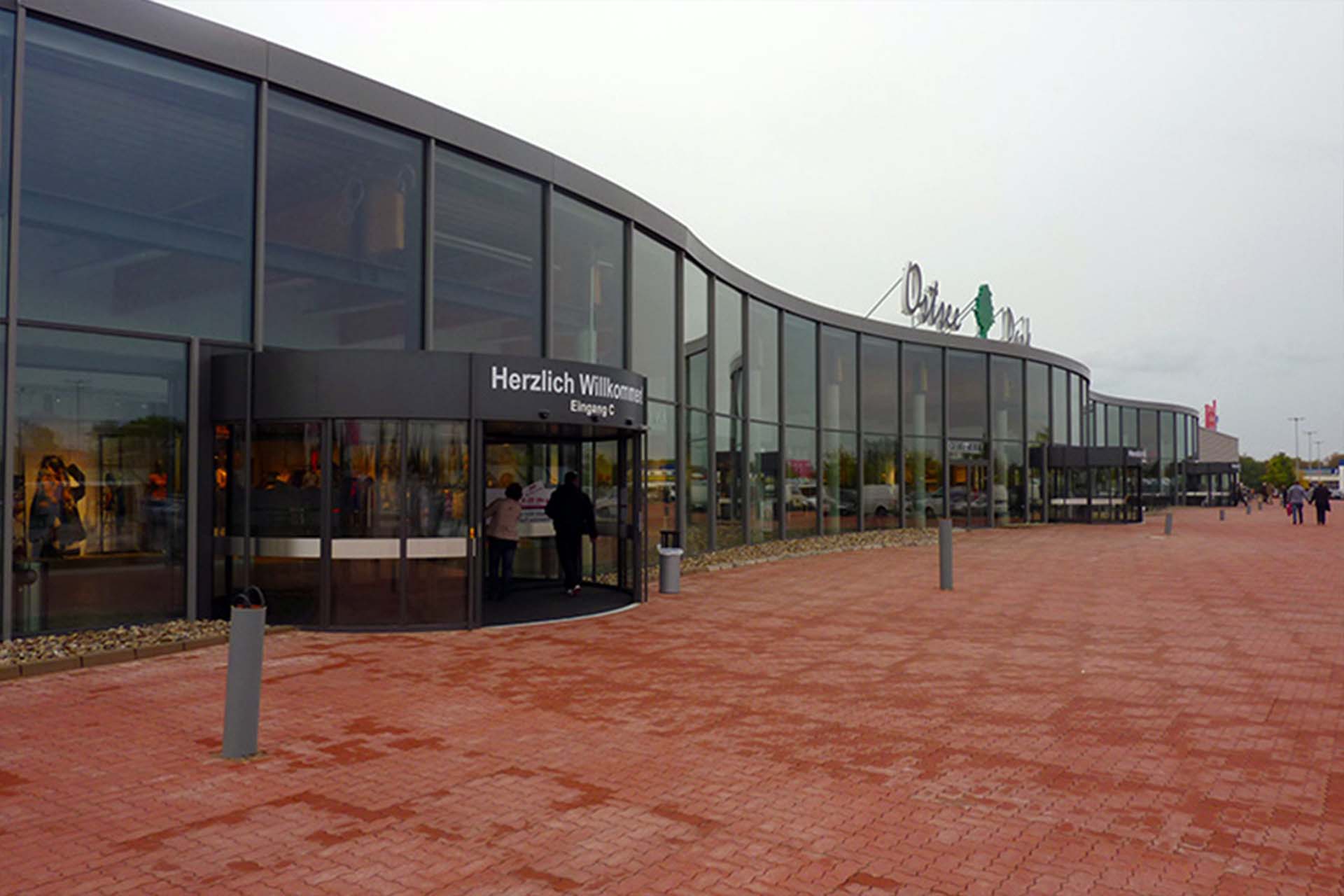
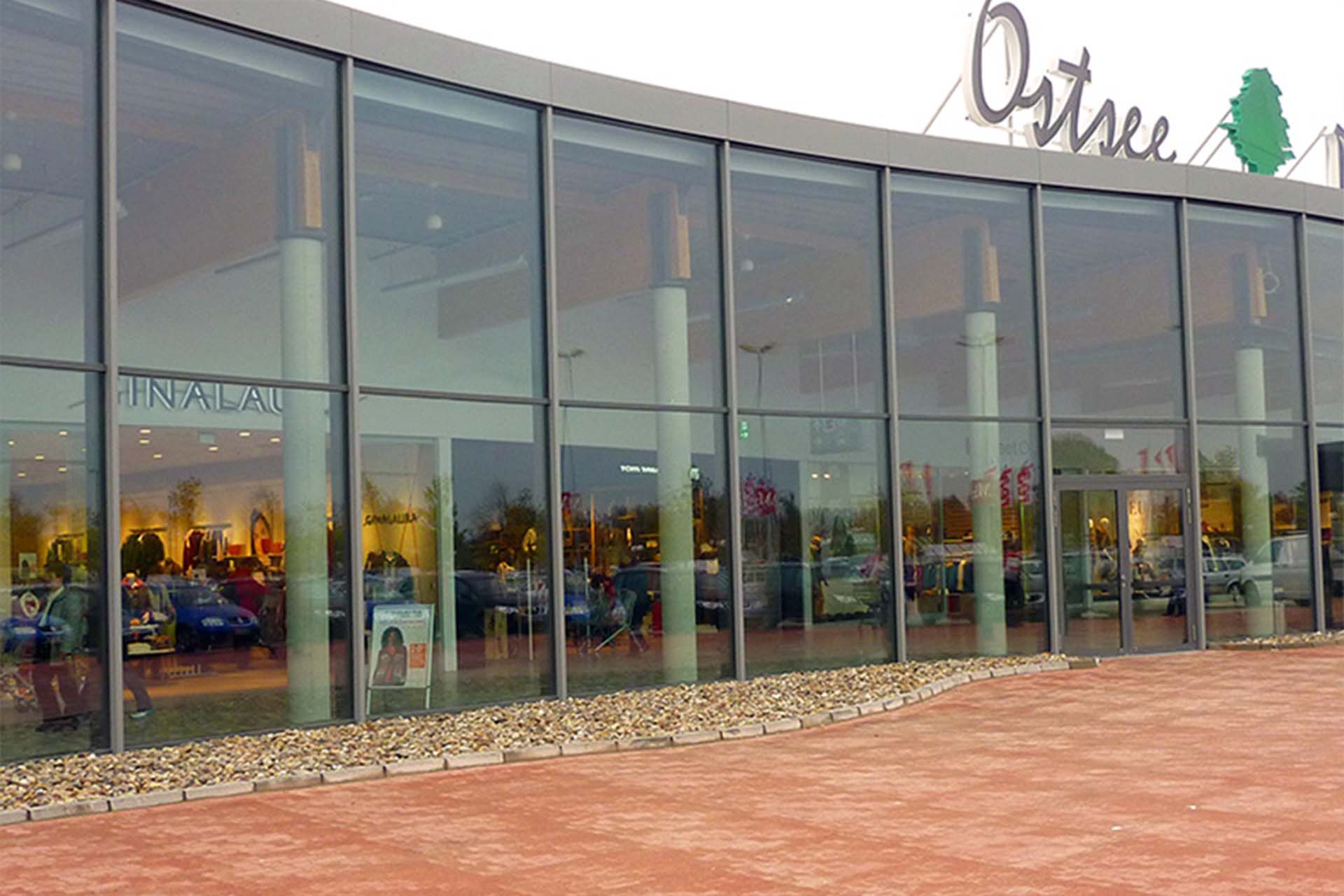
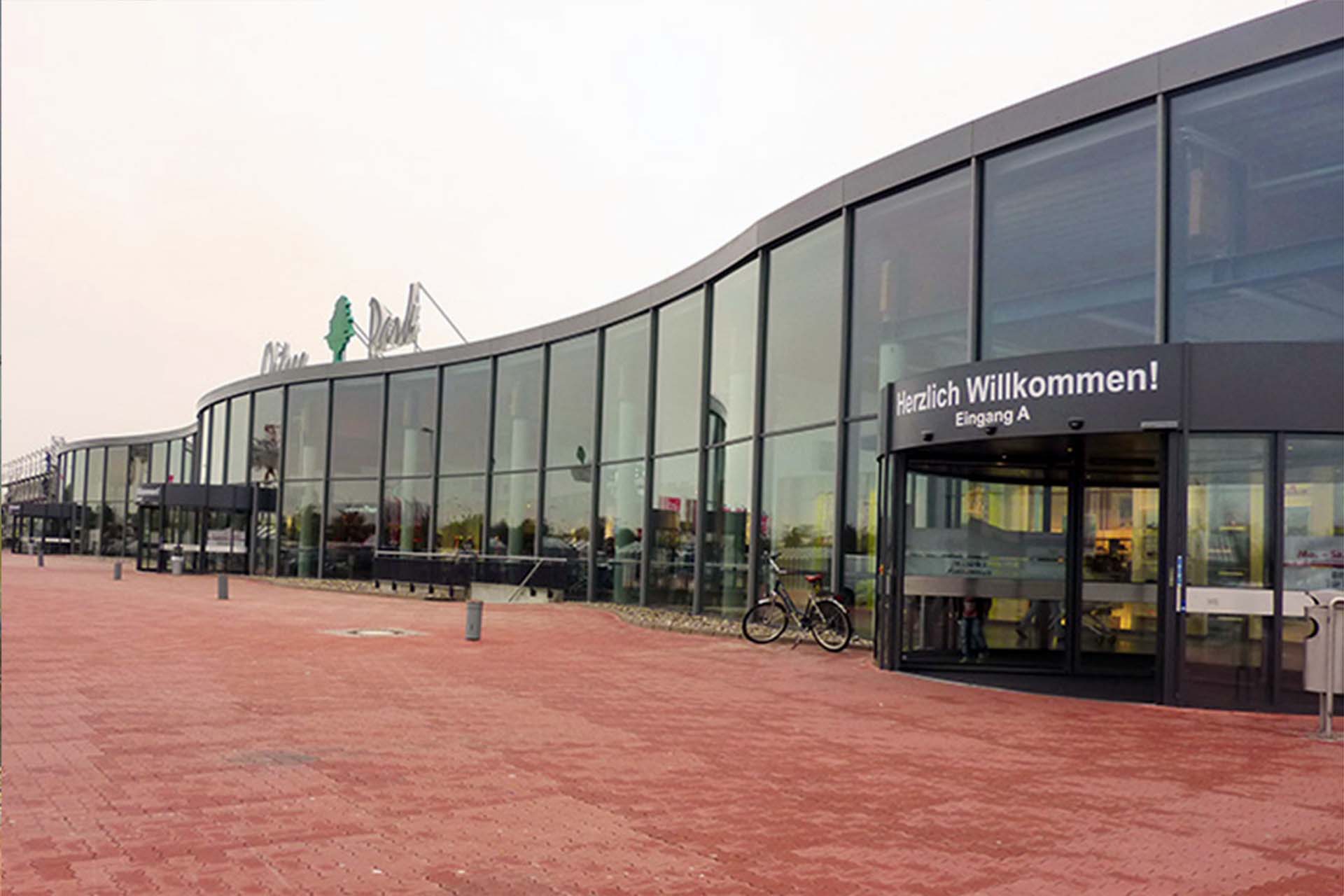
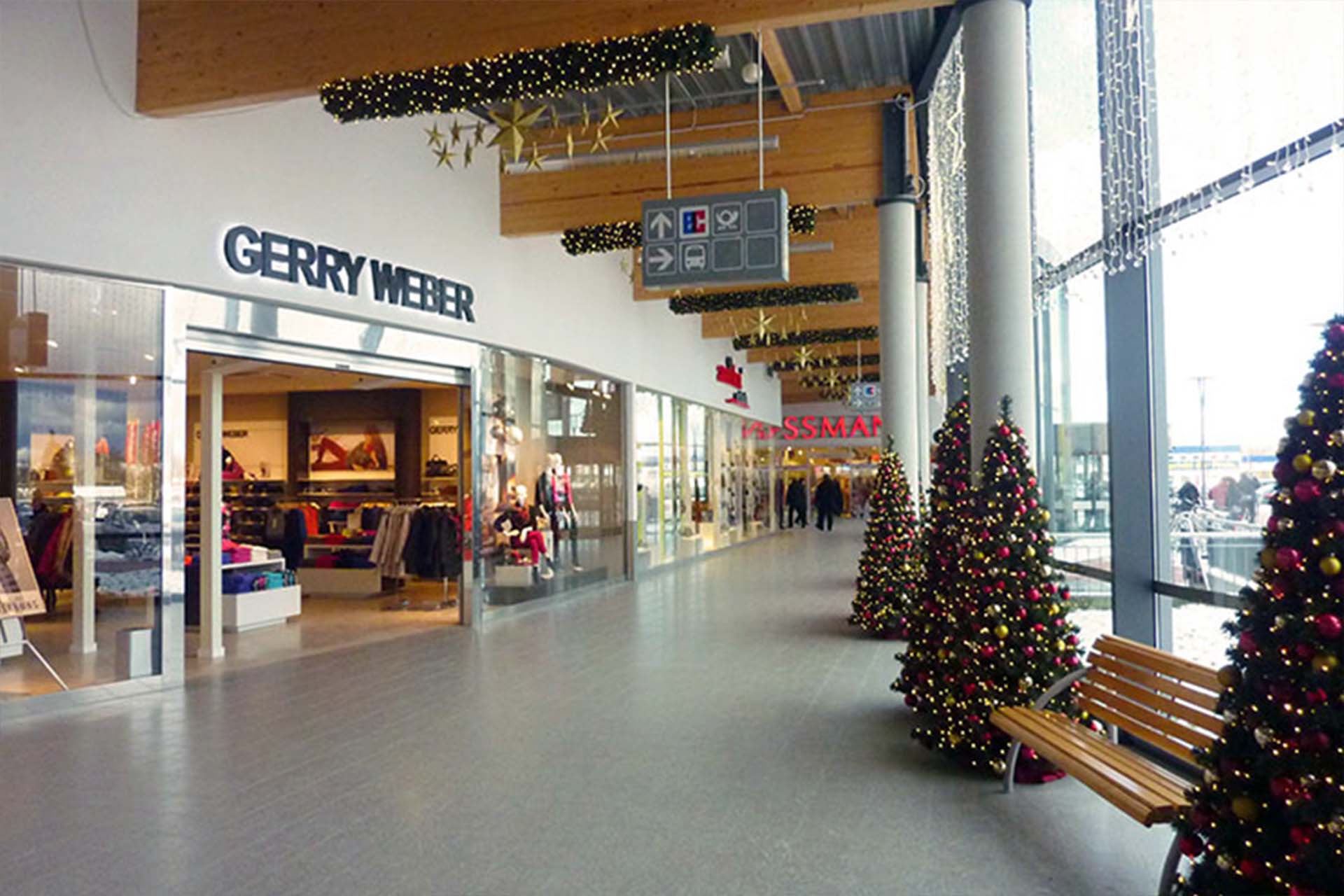
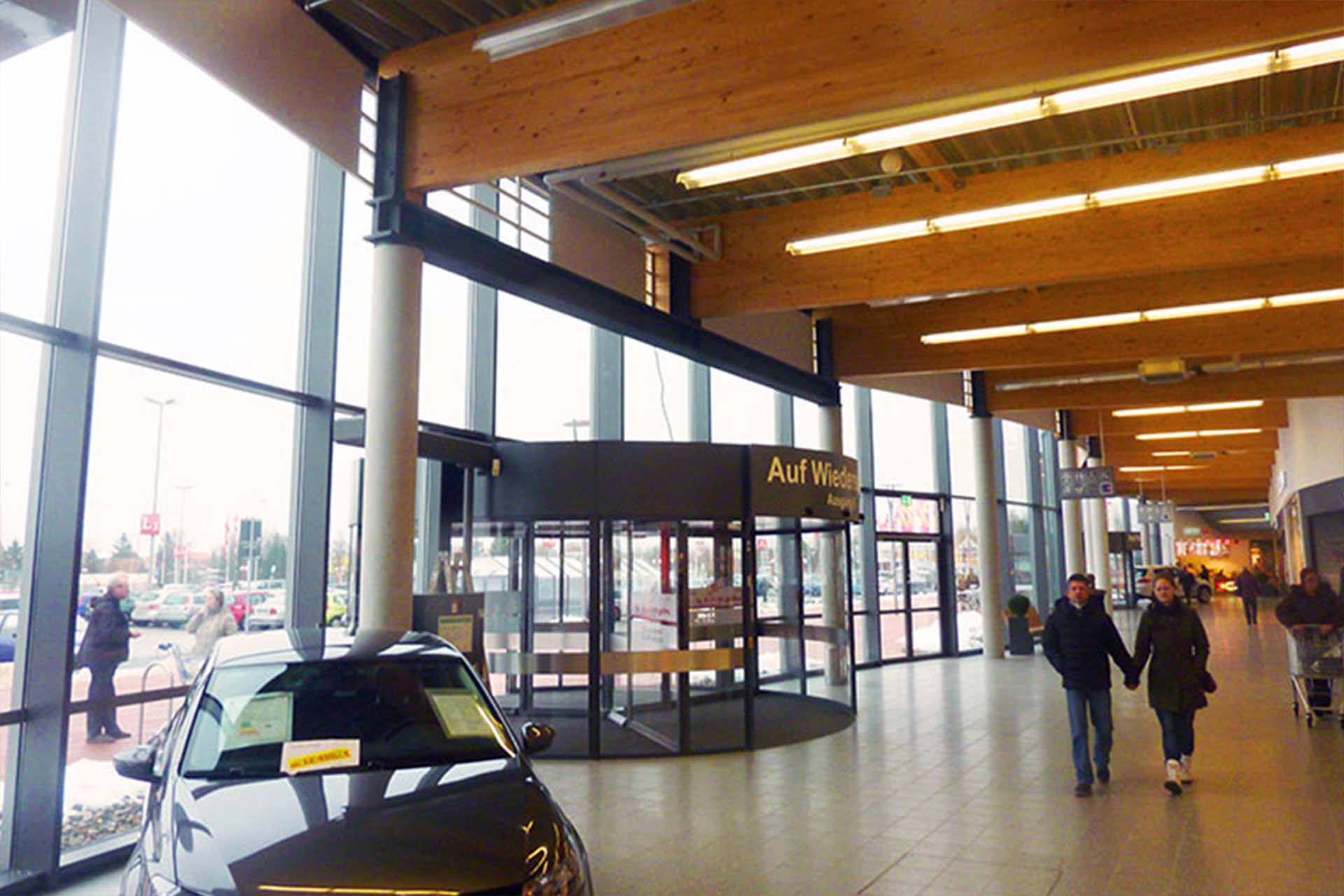
The glazed facades and articulated frontage create transparency, allowing visual connection between interior activity and the exterior environment, while also reinforcing individual tenant identity through modular signage and display zones.
Subtle maritime-inspired design elements—curved facade rhythms, wave-like projections, and restrained material articulation—tie the architecture to the regional context of the Baltic Sea, providing a sense of place without compromising operational efficiency. Behind this aesthetic lies a carefully considered operational pragmatism: barrier-free circulation, modular retail units, service access discreetly located at the rear, and parking directly adjacent to entrances ensure both commercial viability and customer convenience.
The integration of architectural identity, contextual references, and spatial logic produces a retail environment that is visually coherent, experientially engaging, and commercially resilient. Visitors experience a space that is simultaneously efficient, legible, and comfortable, where movement, sightlines, and environmental cues guide behavior intuitively, enhancing shopping dwell time and engagement. In essence, Baltic Sea Park exemplifies how pragmatic commercial design can be elevated through considered architecture, creating a retail destination that is functionally optimized, aesthetically grounded, and regionally meaningful.
Subtle maritime-inspired design elements—curved facade rhythms, wave-like projections, and restrained material articulation—tie the architecture to the regional context of the Baltic Sea, providing a sense of place without compromising operational efficiency. Behind this aesthetic lies a carefully considered operational pragmatism: barrier-free circulation, modular retail units, service access discreetly located at the rear, and parking directly adjacent to entrances ensure both commercial viability and customer convenience.
The integration of architectural identity, contextual references, and spatial logic produces a retail environment that is visually coherent, experientially engaging, and commercially resilient. Visitors experience a space that is simultaneously efficient, legible, and comfortable, where movement, sightlines, and environmental cues guide behavior intuitively, enhancing shopping dwell time and engagement. In essence, Baltic Sea Park exemplifies how pragmatic commercial design can be elevated through considered architecture, creating a retail destination that is functionally optimized, aesthetically grounded, and regionally meaningful.
Cologne
Germany