

About the
Project
Conversion and Extension of Laboratory Building
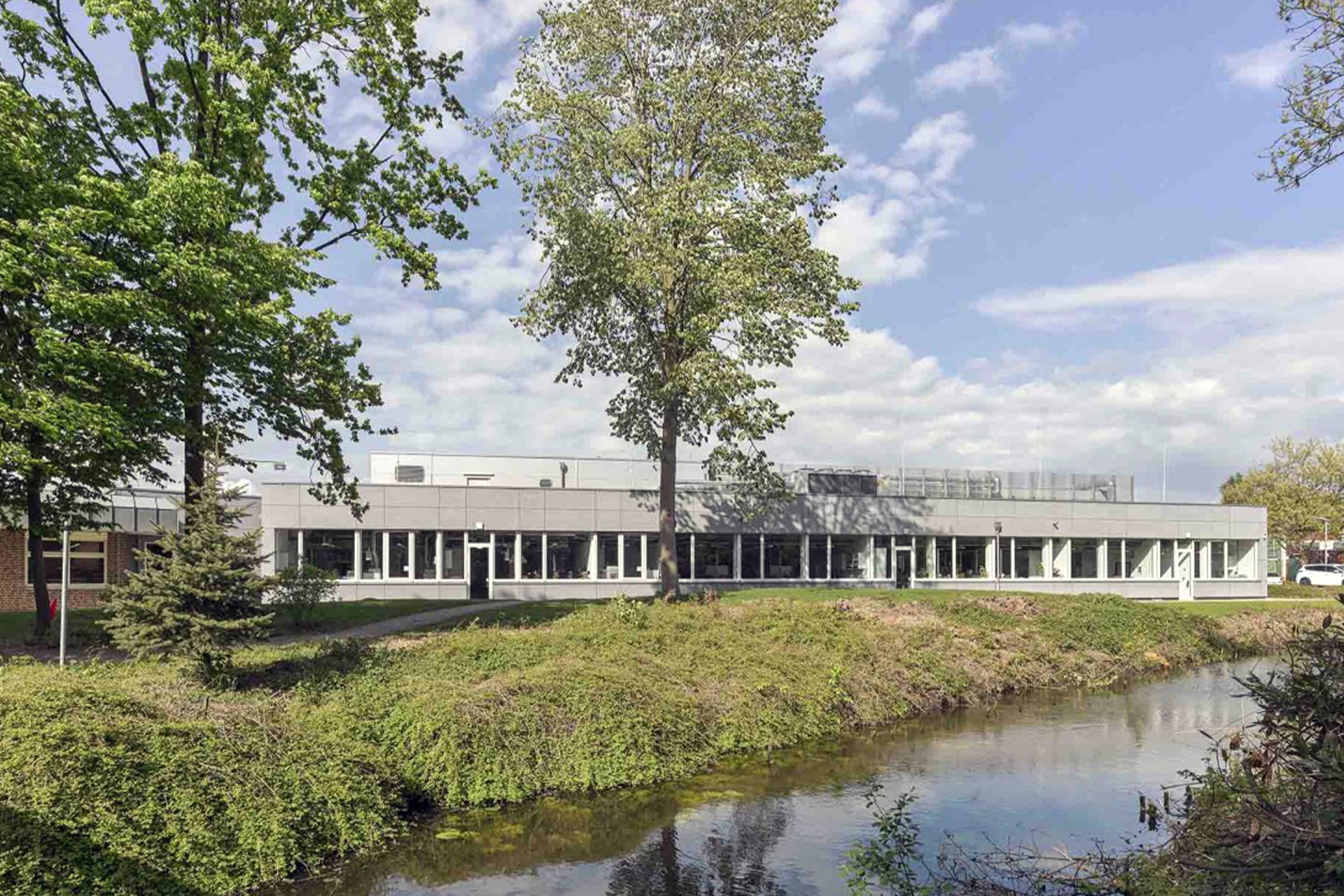
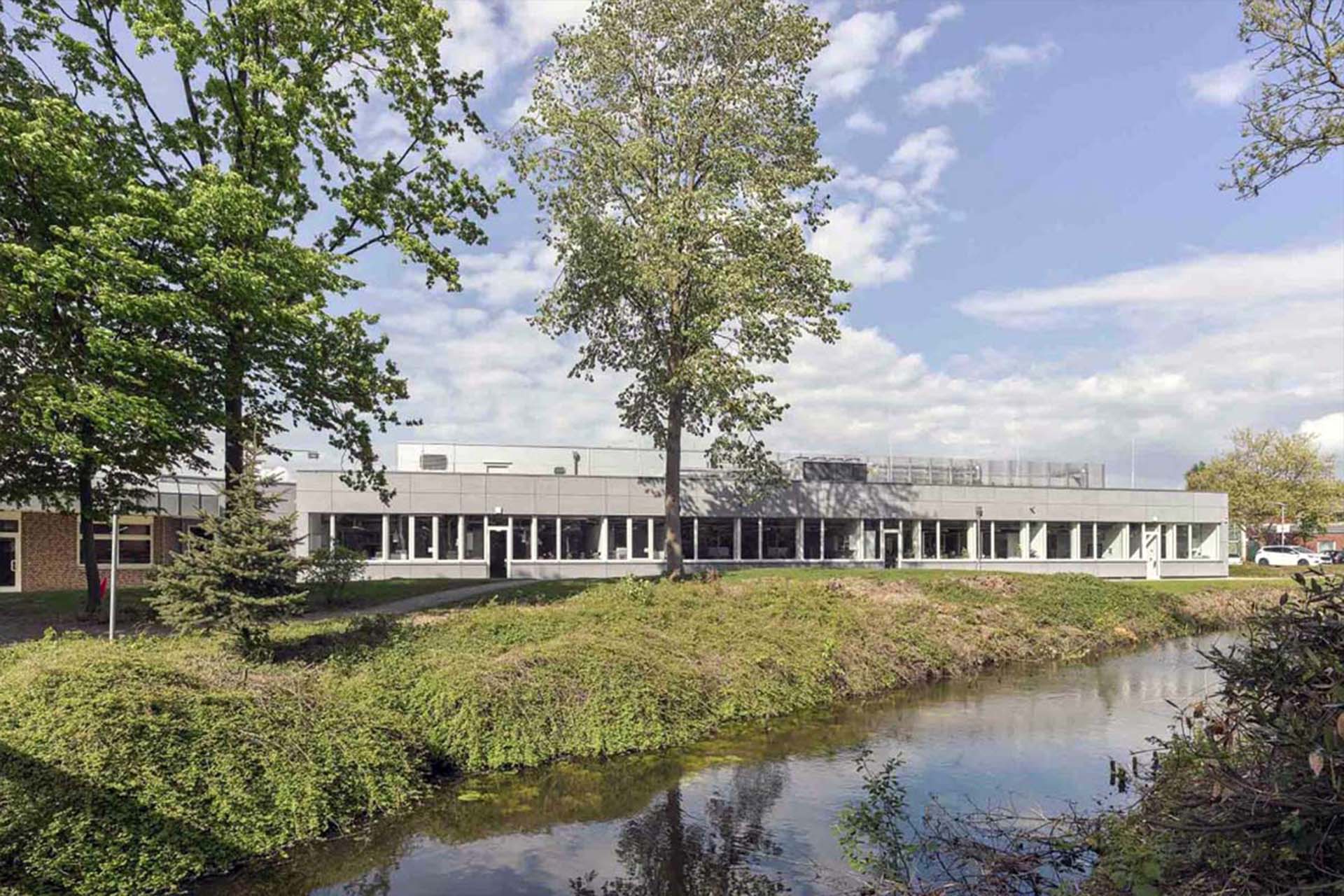
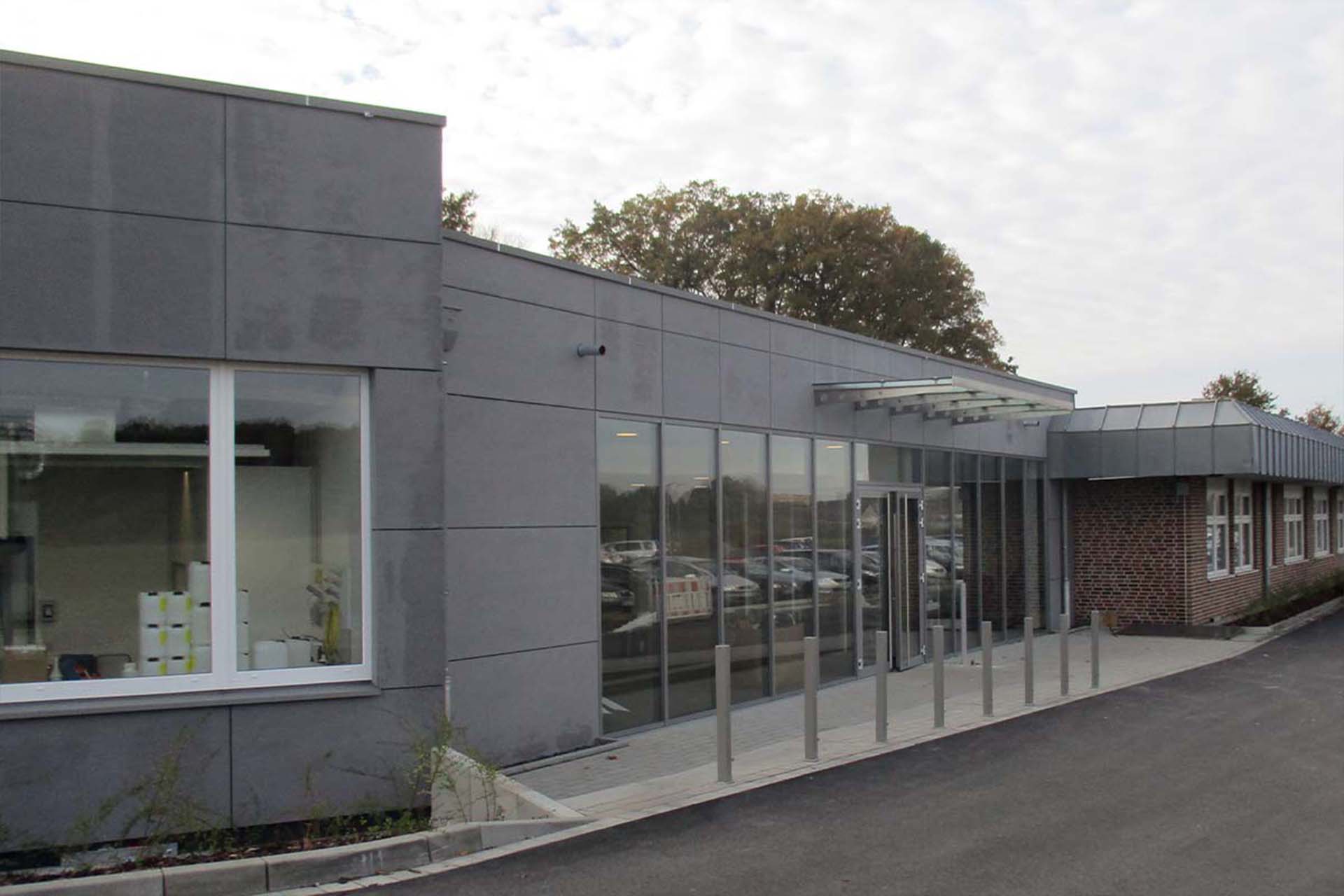
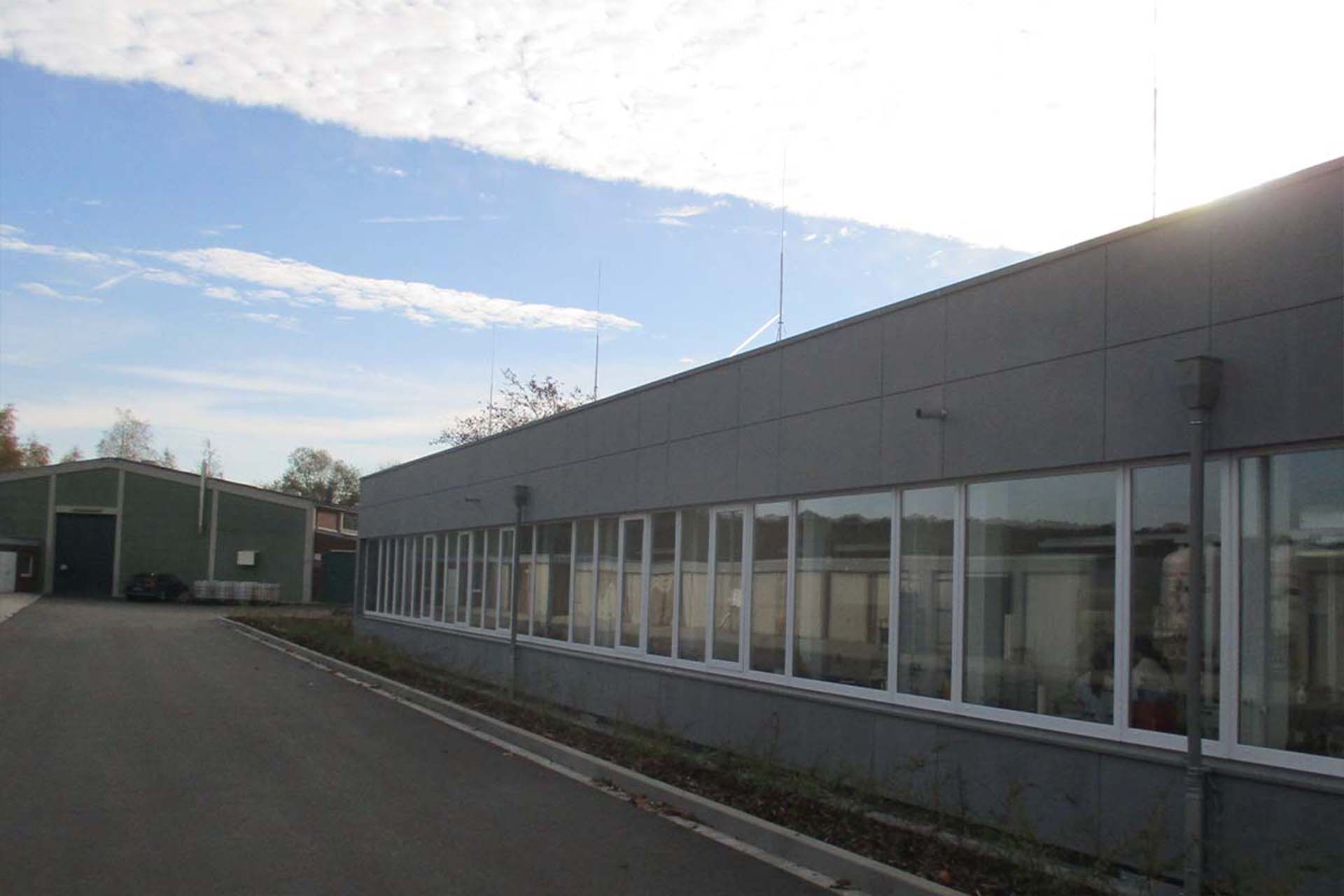
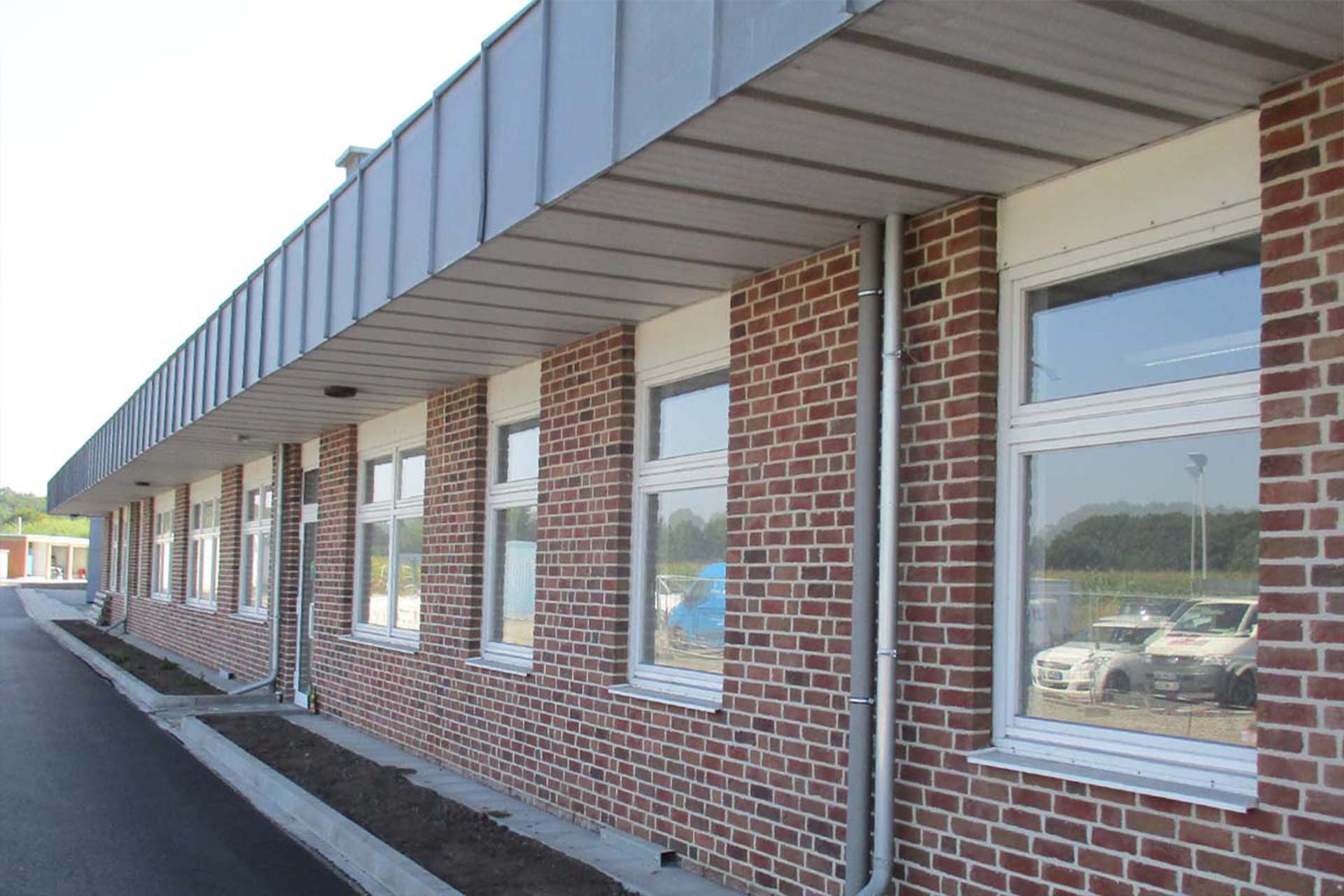
As part of the renovation and new construction program for LUFA NRW, the sample management department is being strategically relocated from the main building to an existing building formerly occupied by LKV. This relocation is intended to optimize internal workflows, relieve pressure on the main laboratory building, and make efficient use of the existing building stock.
As part of the renovation and new construction program for LUFA NRW, the sample management department is being strategically relocated from the main building to an existing building formerly occupied by LKV. This relocation is intended to optimize internal workflows, relieve pressure on the main laboratory building, and make efficient use of the existing building stock.
Info
"Efficient Spaces, Precise Science."
-
ClientLUFA NRW – LKV Building
-
LocationMuenster, Germany
-
Project delivery phase2015-2016
-
Scope of WorkProject & Construction Management
-
ArchitectMeyer Architekten GmbH
The
Result
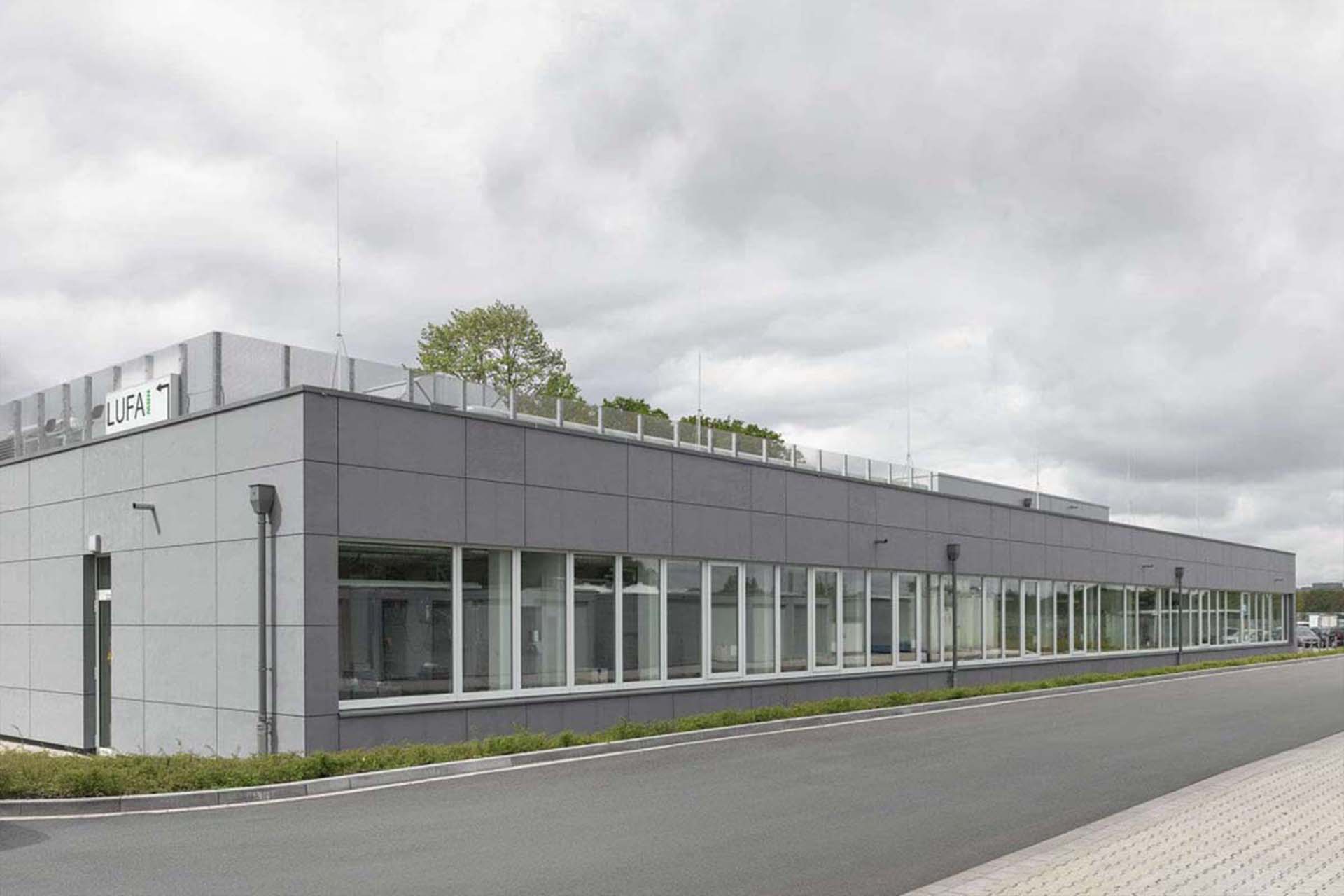
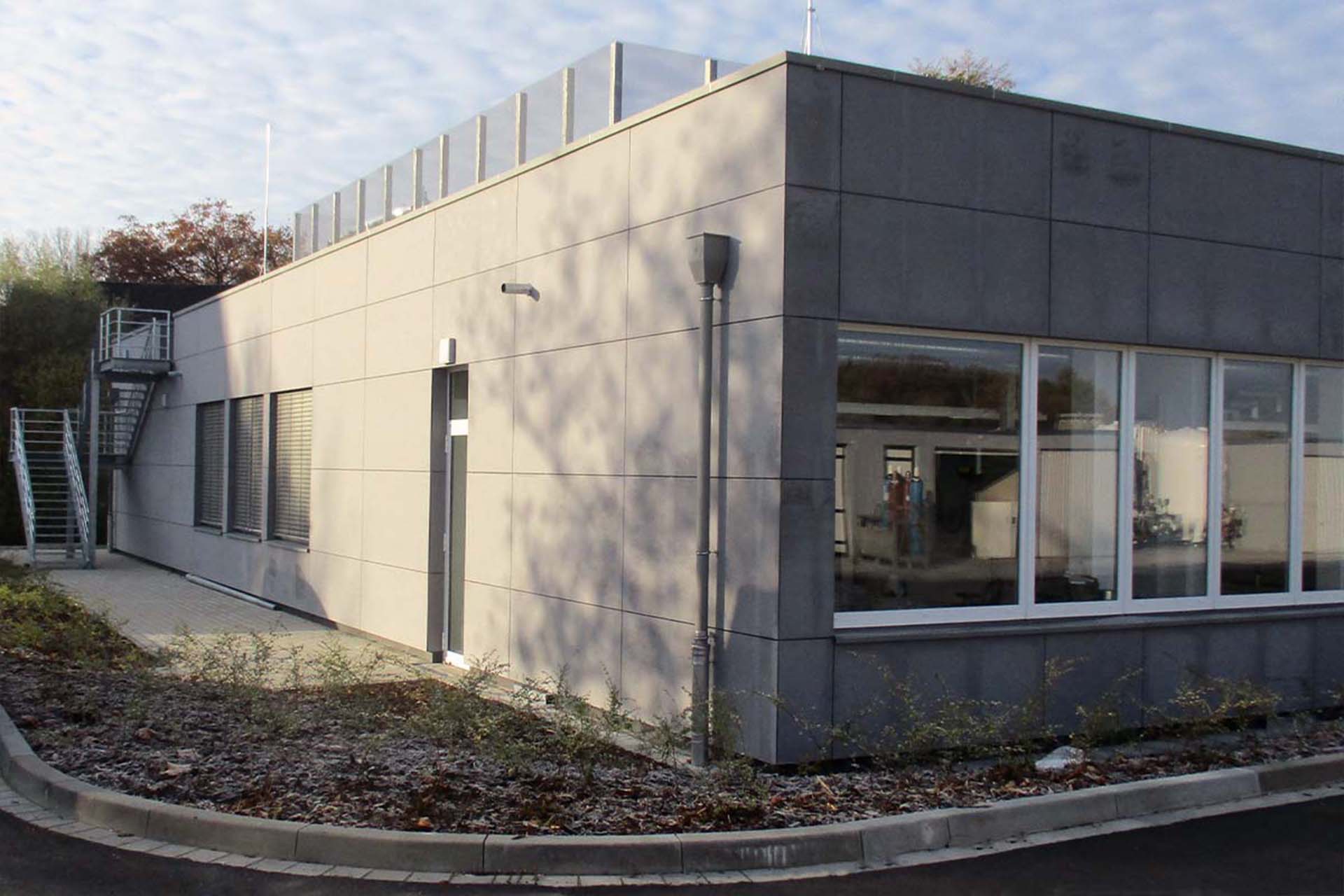
The existing building will therefore accommodate the sample preparation areas, including specialized rooms such as grinding rooms for soil and feed samples, as well as sample storage facilities, for example cold storage rooms for water and retained samples. In addition, storage rooms for sampling equipment will be provided to support fieldwork logistics and ensure orderly, efficient handling of materials.
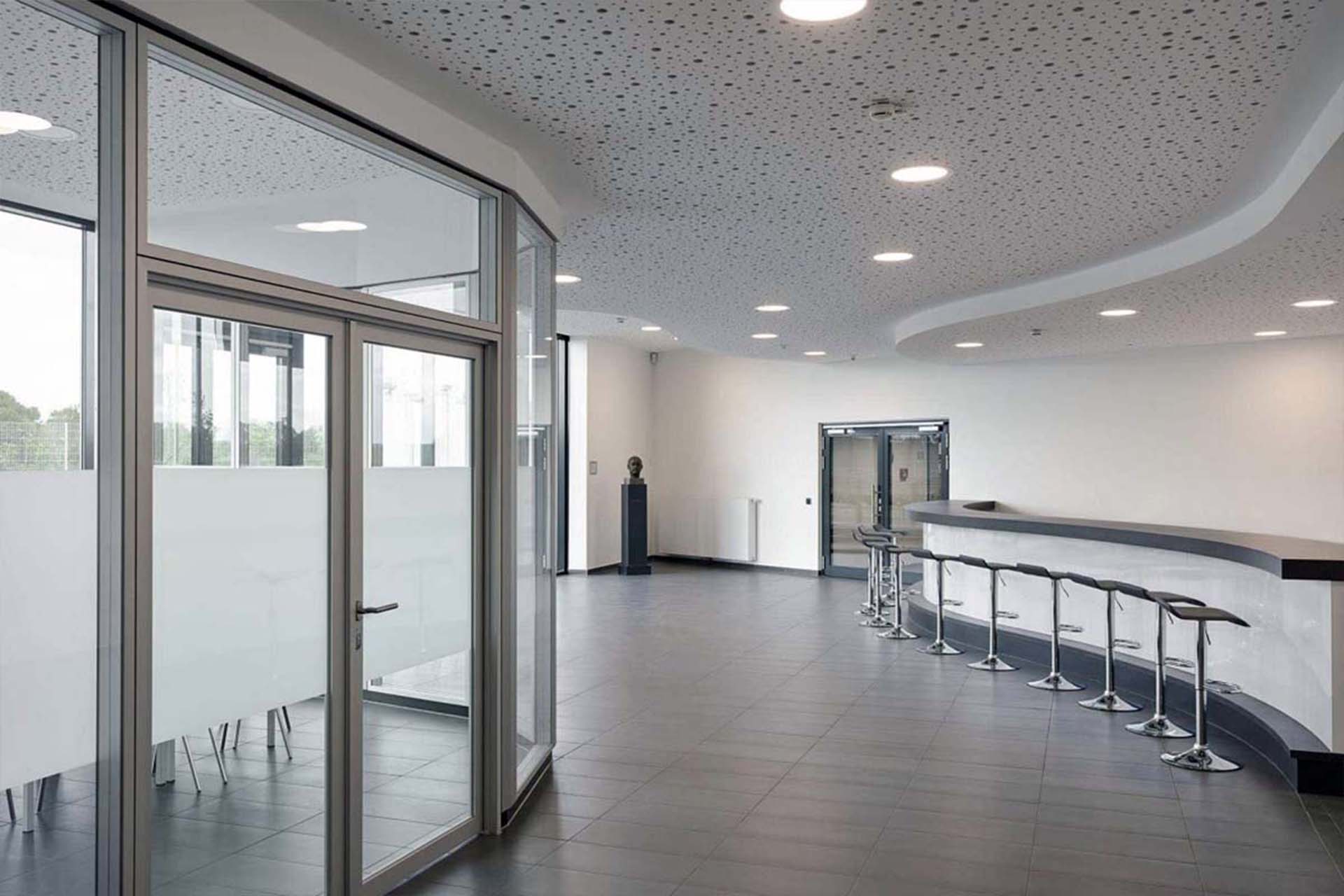
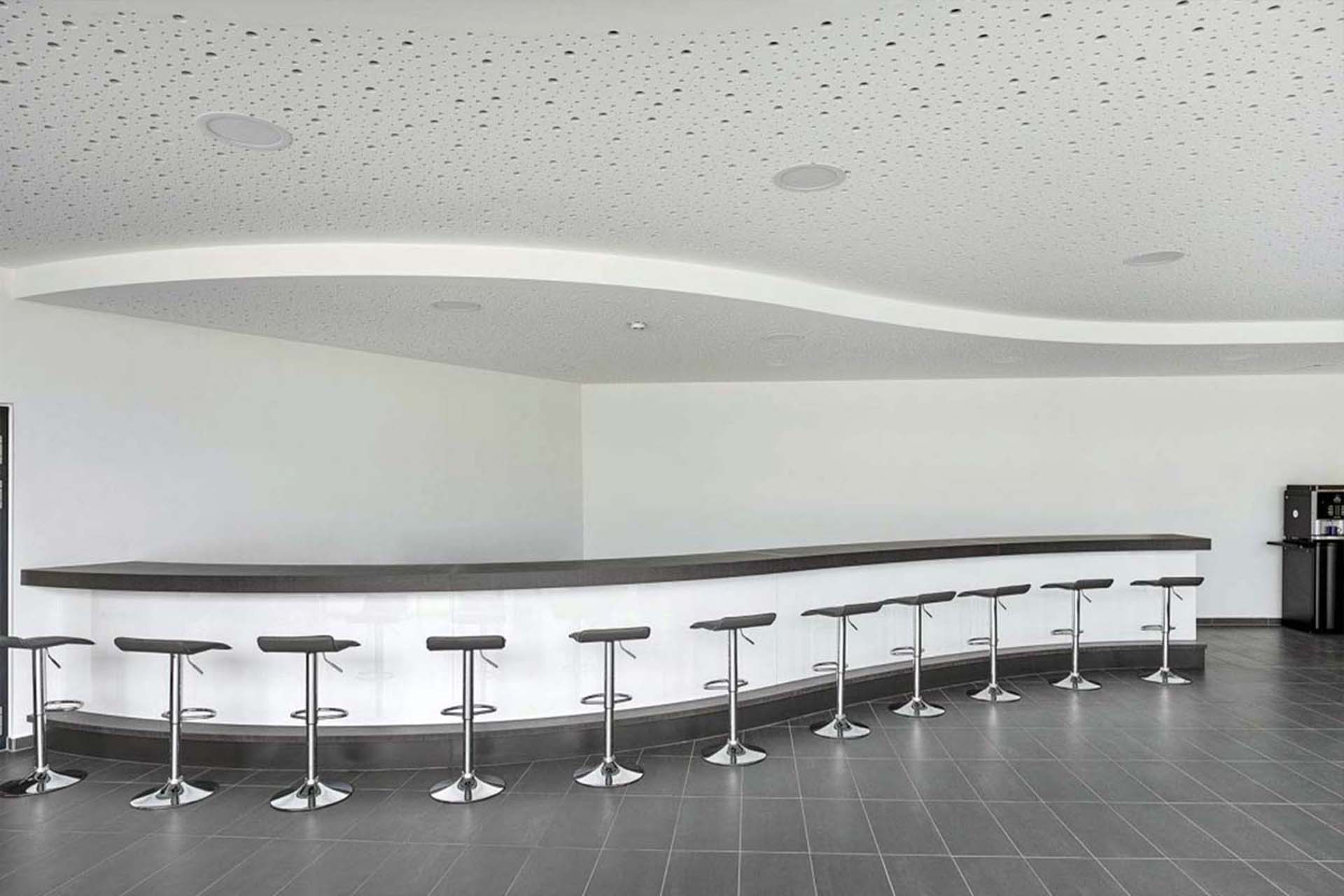
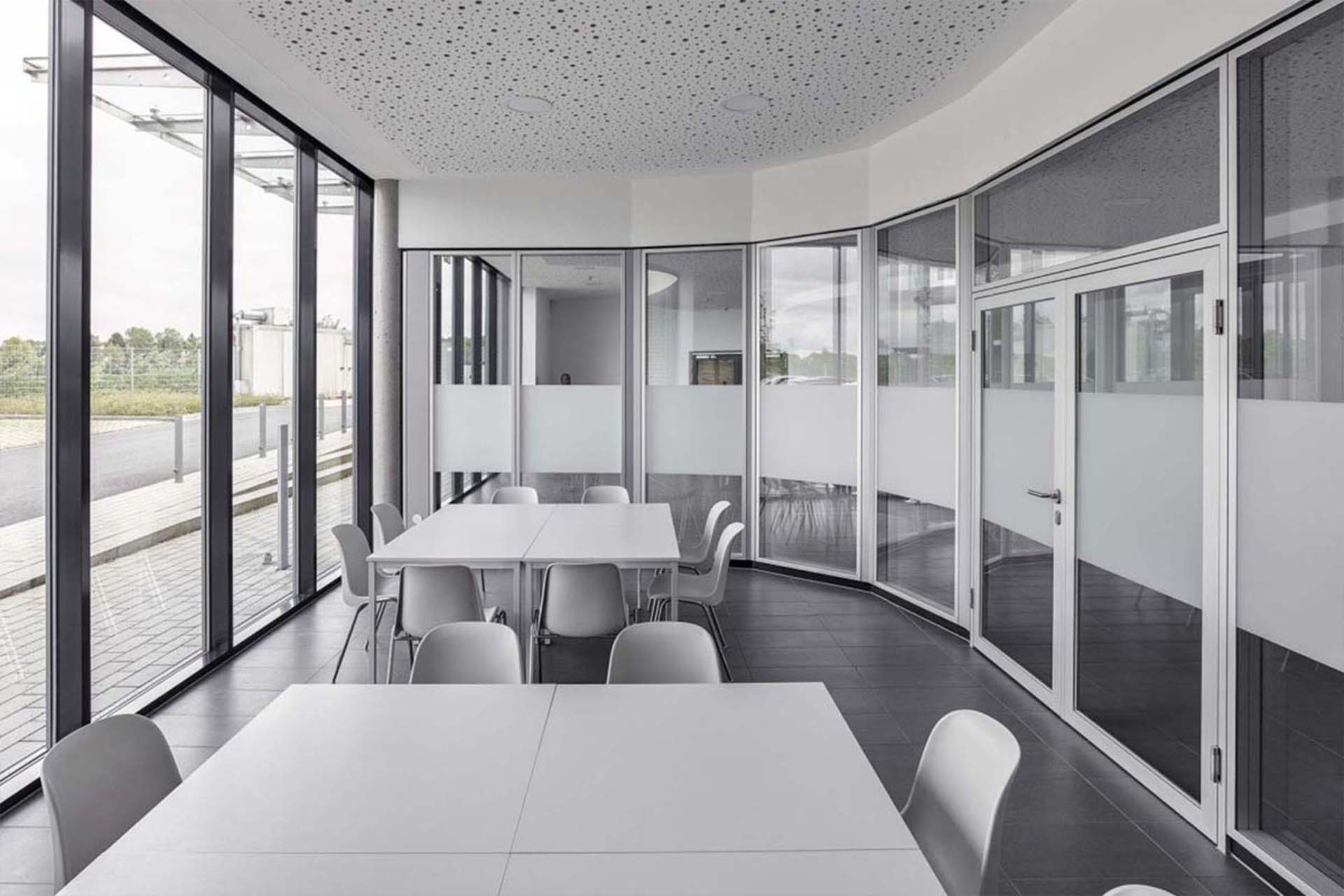
Furthermore, this existing structure will house the staff facilities for the entire testing department, including changing rooms, sanitary facilities, and break areas, thereby creating a centralized and clearly organized support zone for personnel.
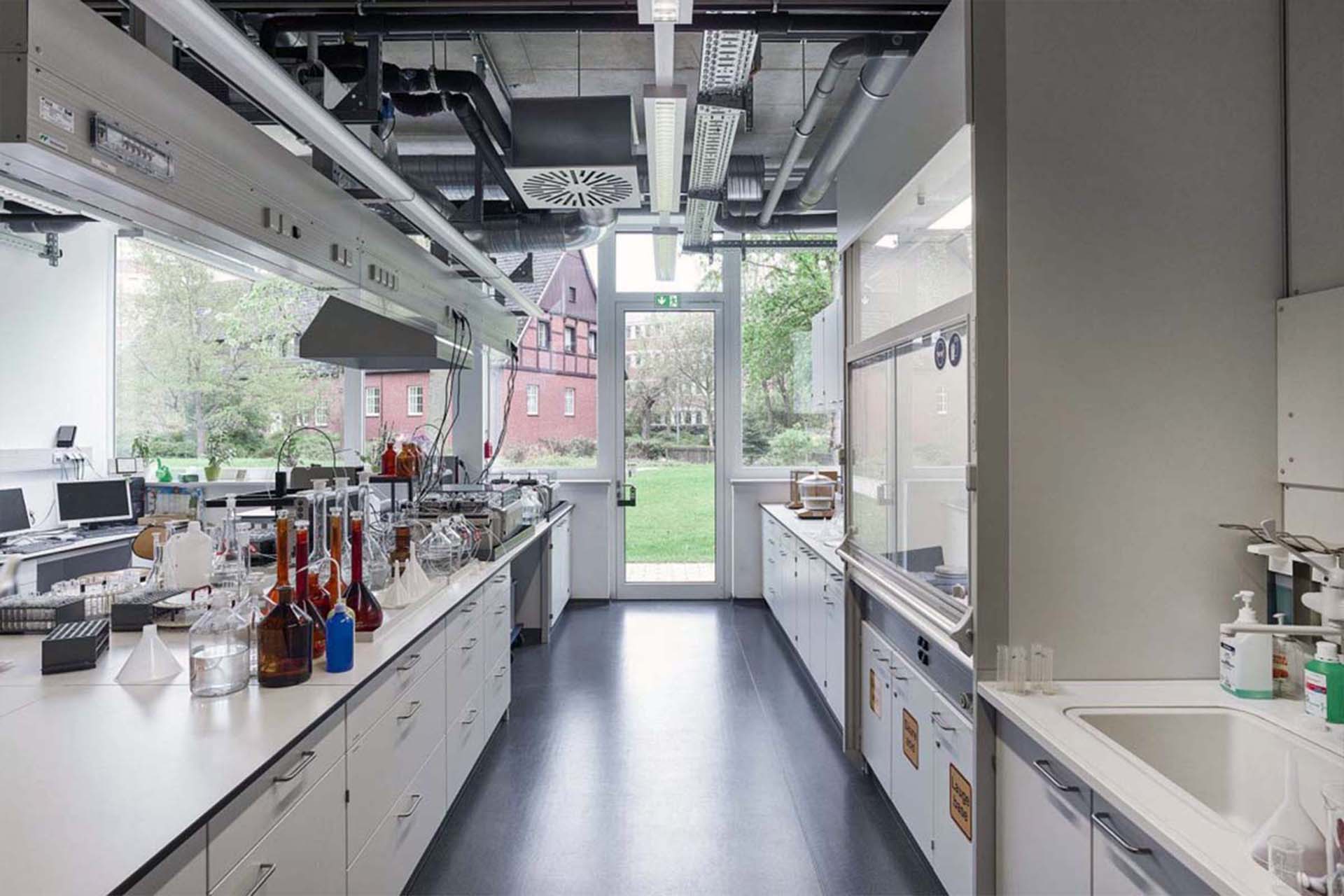
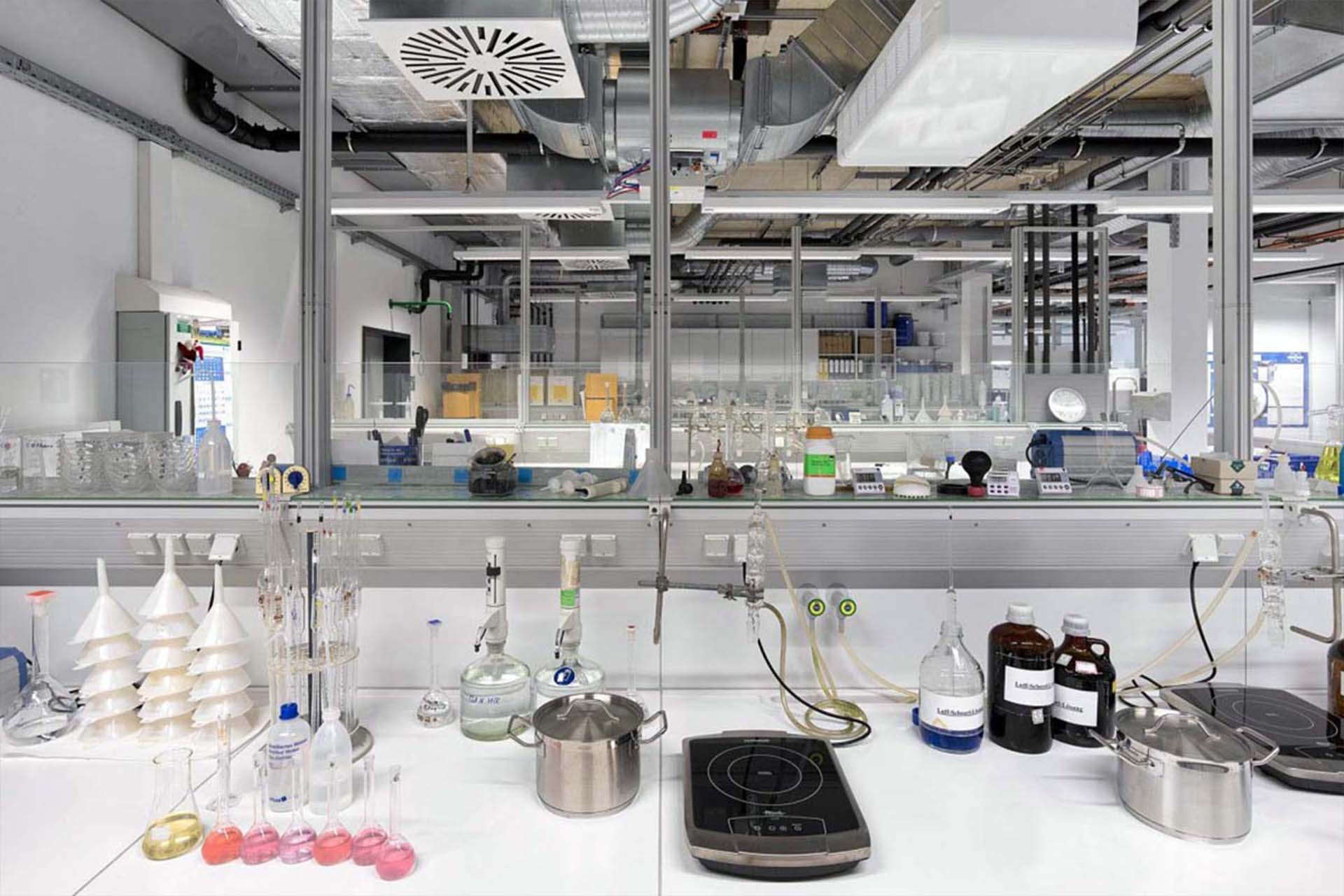
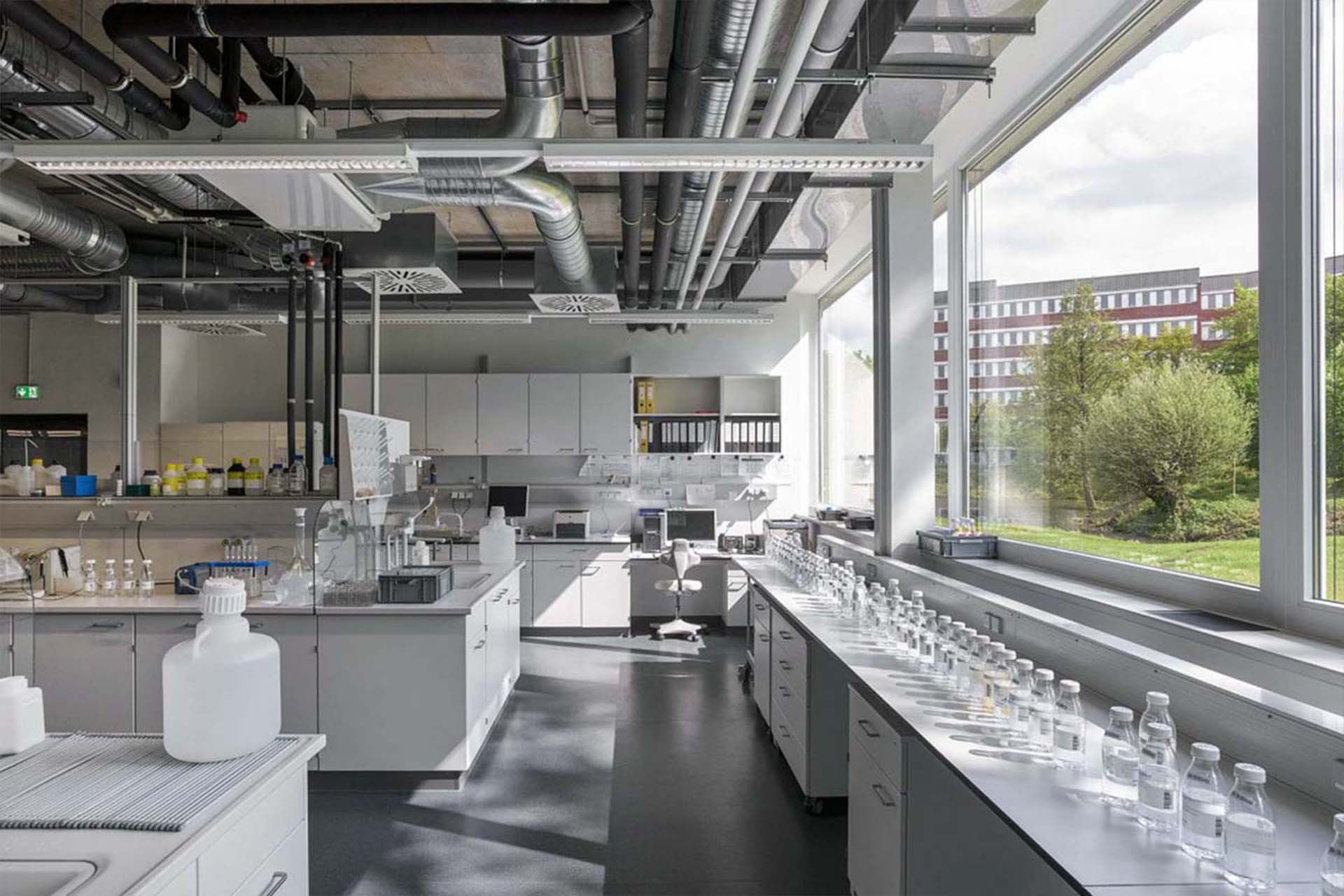
The new building, by contrast, will concentrate all laboratory areas and their specific technical requirements. These include gas supply systems, separate wastewater disposal, specialized ventilation and exhaust systems, and cooling solutions for laboratory equipment. This functional separation allows the new laboratory building to be precisely tailored to complex technical demands, while the existing building is optimized for preparatory, storage, and staff-related functions, resulting in an efficient, clearly structured, and future-proof laboratory campus.
Furthermore, this existing structure will house the staff facilities for the entire testing department, including changing rooms, sanitary facilities, and break areas, thereby creating a centralized and clearly organized support zone for personnel.
The new building, by contrast, will concentrate all laboratory areas and their specific technical requirements. These include gas supply systems, separate wastewater disposal, specialized ventilation and exhaust systems, and cooling solutions for laboratory equipment. This functional separation allows the new laboratory building to be precisely tailored to complex technical demands, while the existing building is optimized for preparatory, storage, and staff-related functions, resulting in an efficient, clearly structured, and future-proof laboratory campus.
Rommerskirchen
Germany