

About the
Project
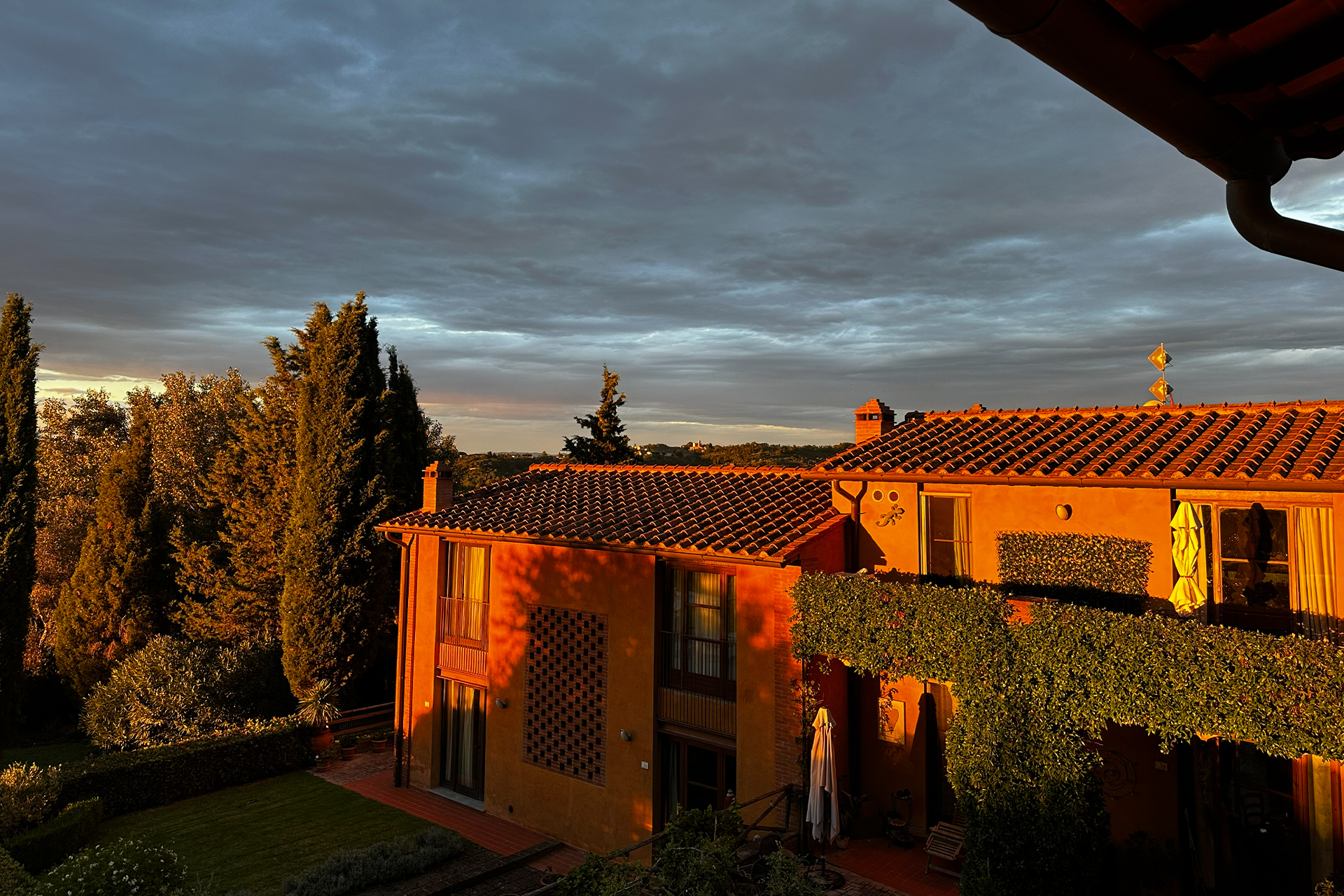
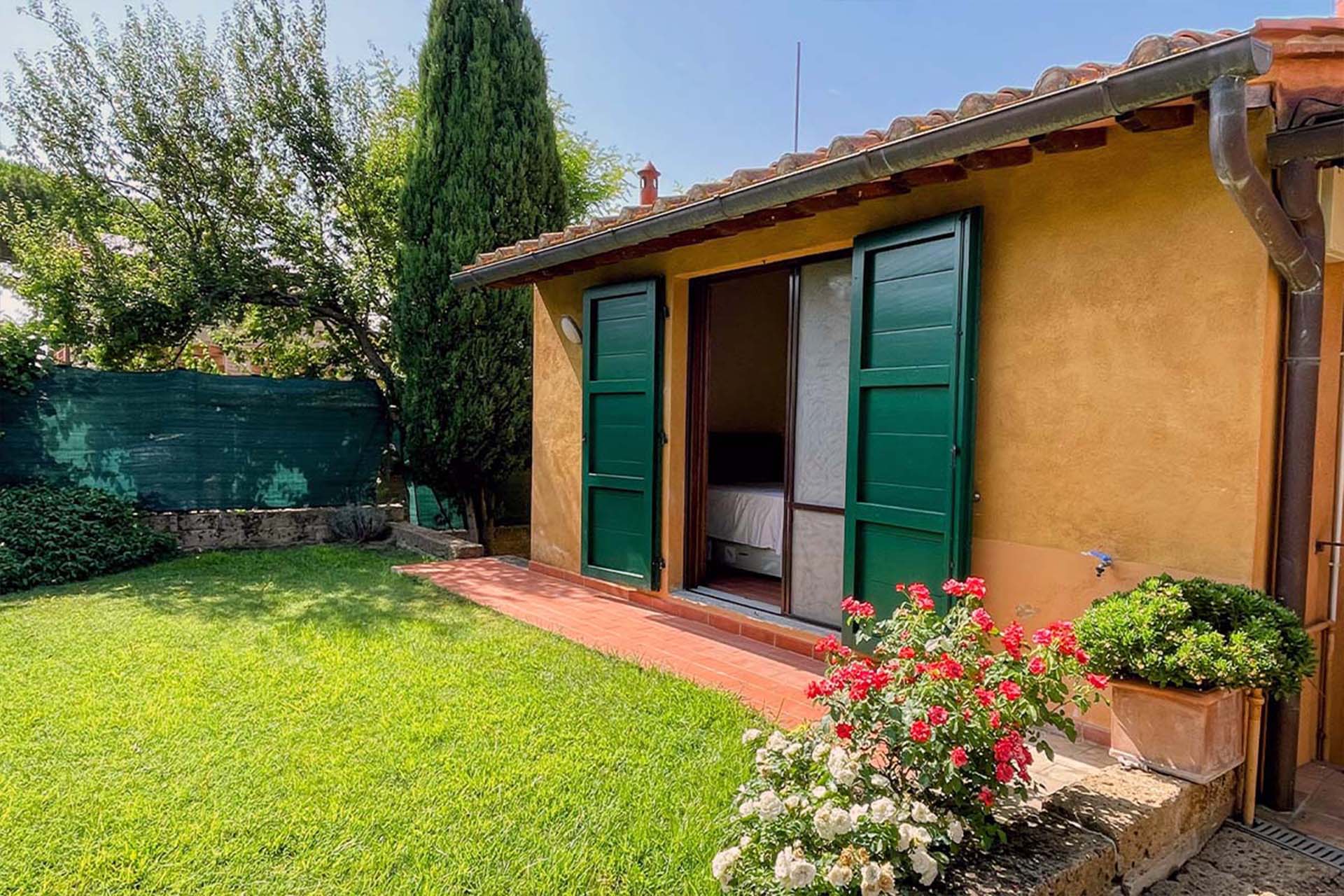
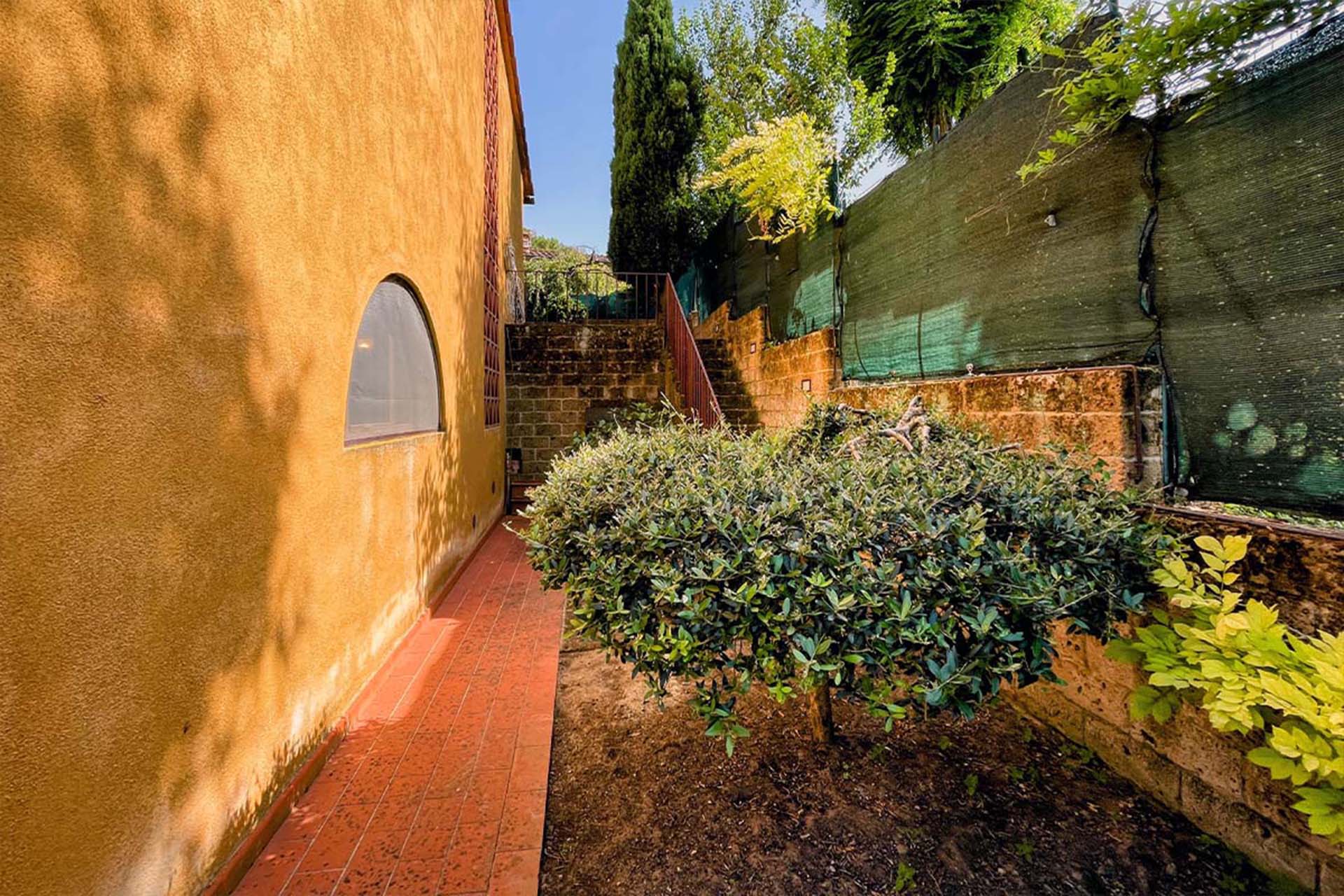
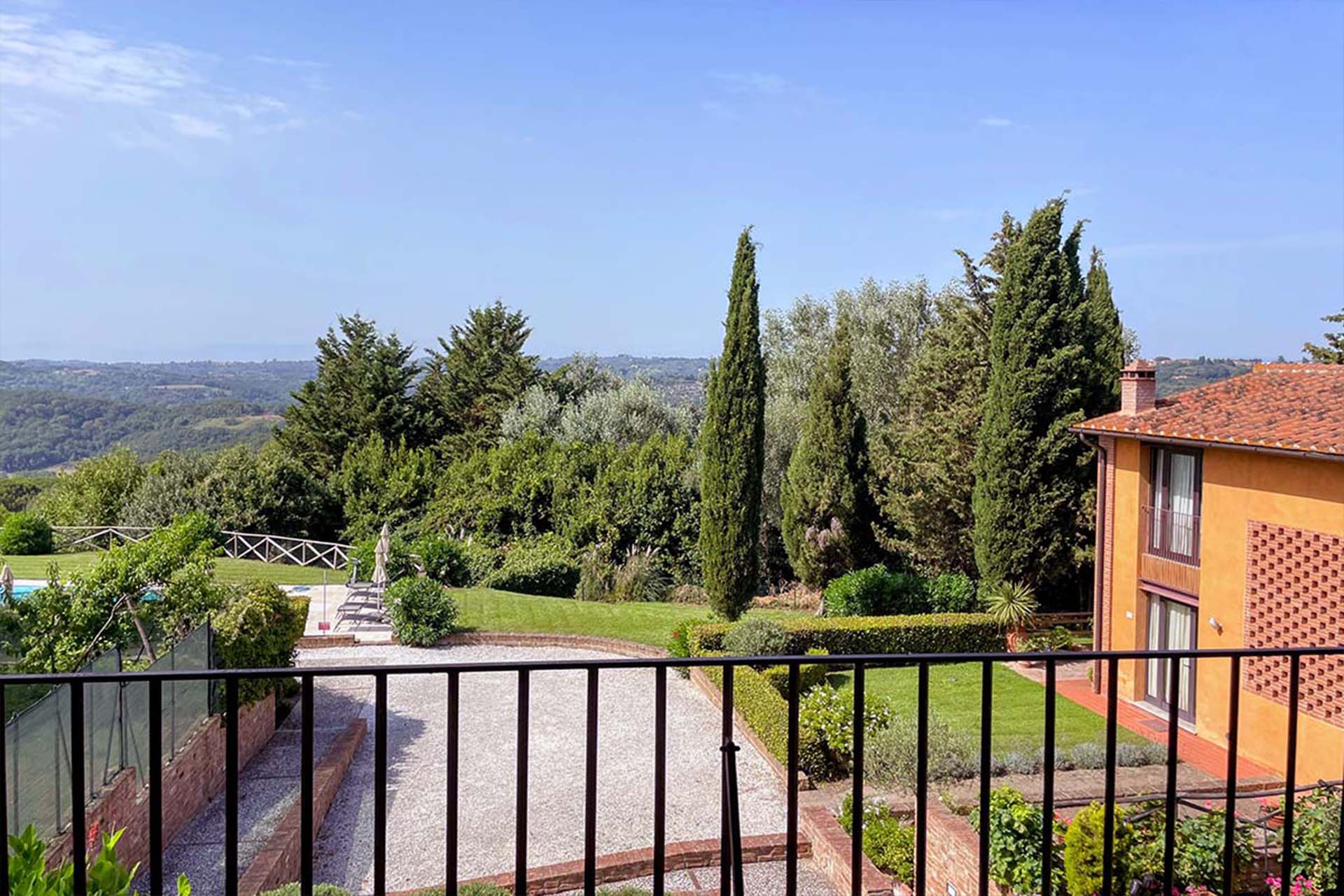
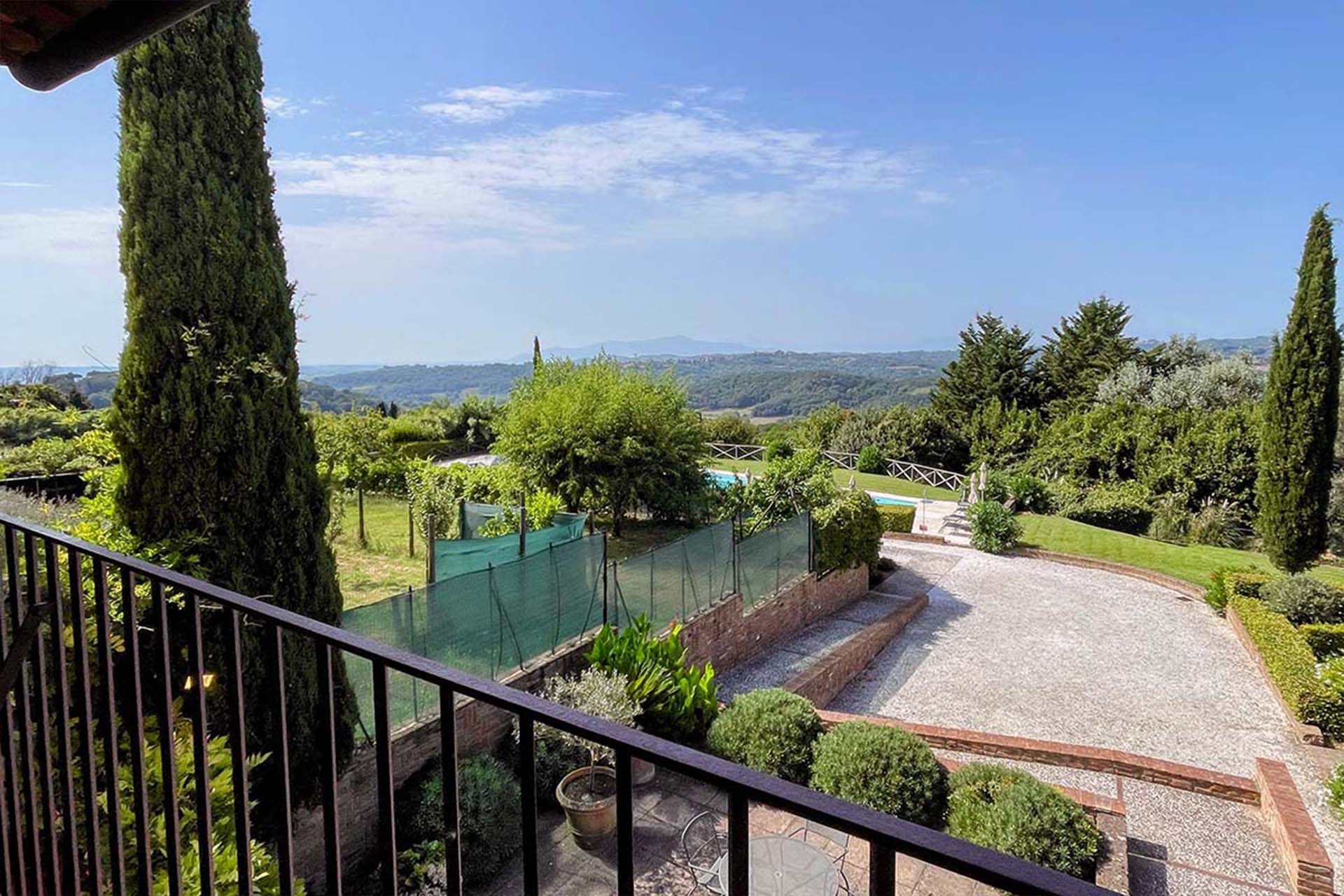
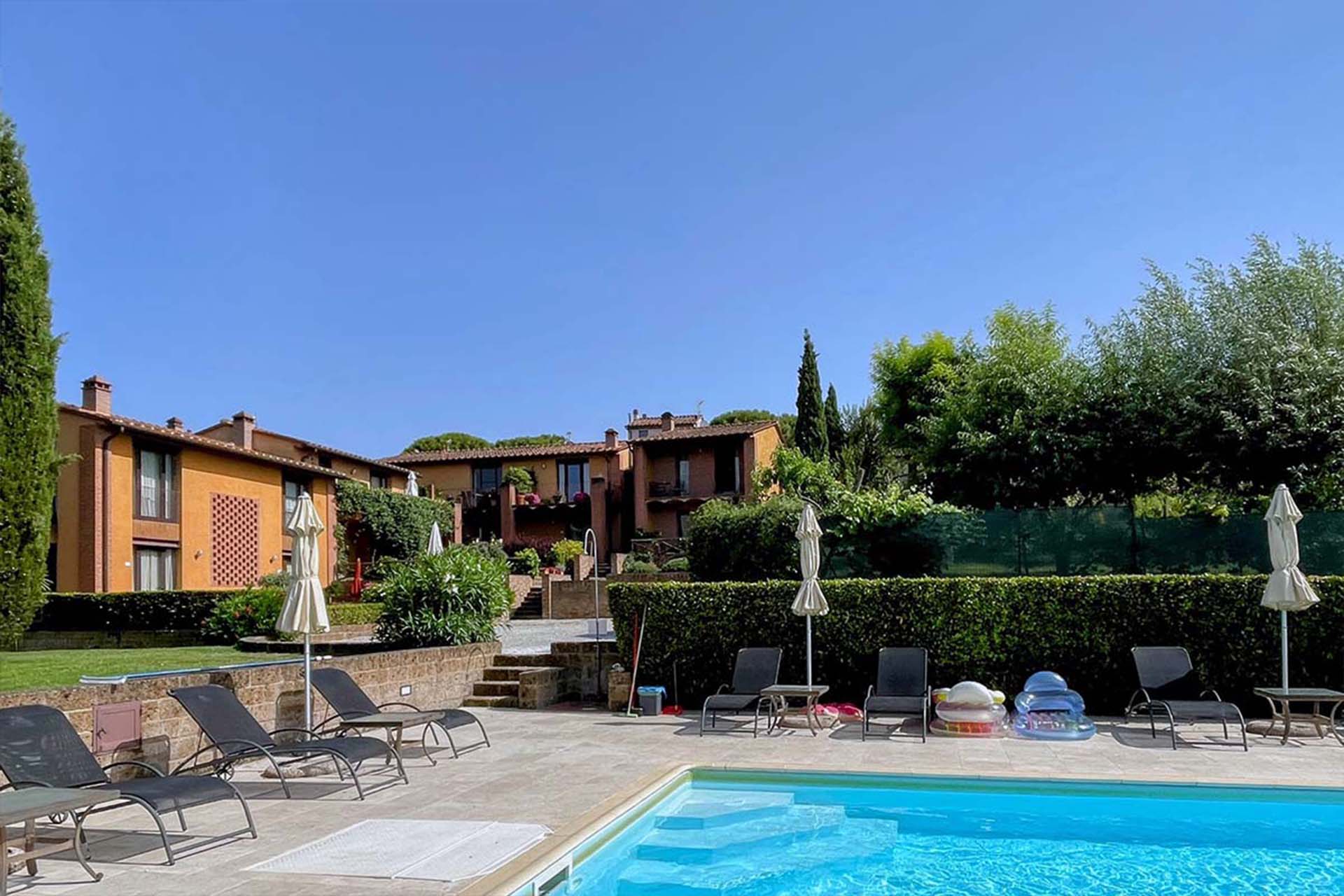
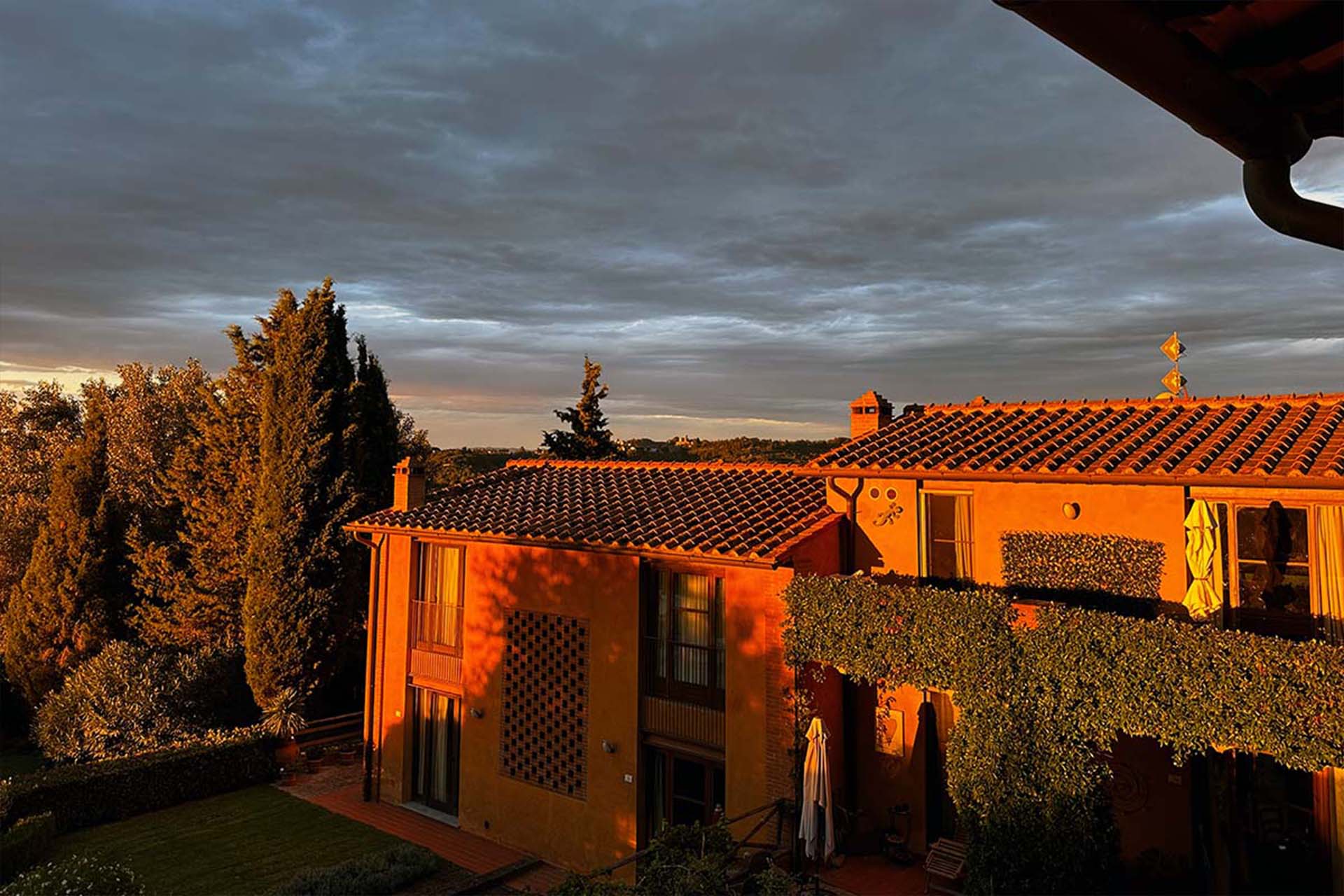
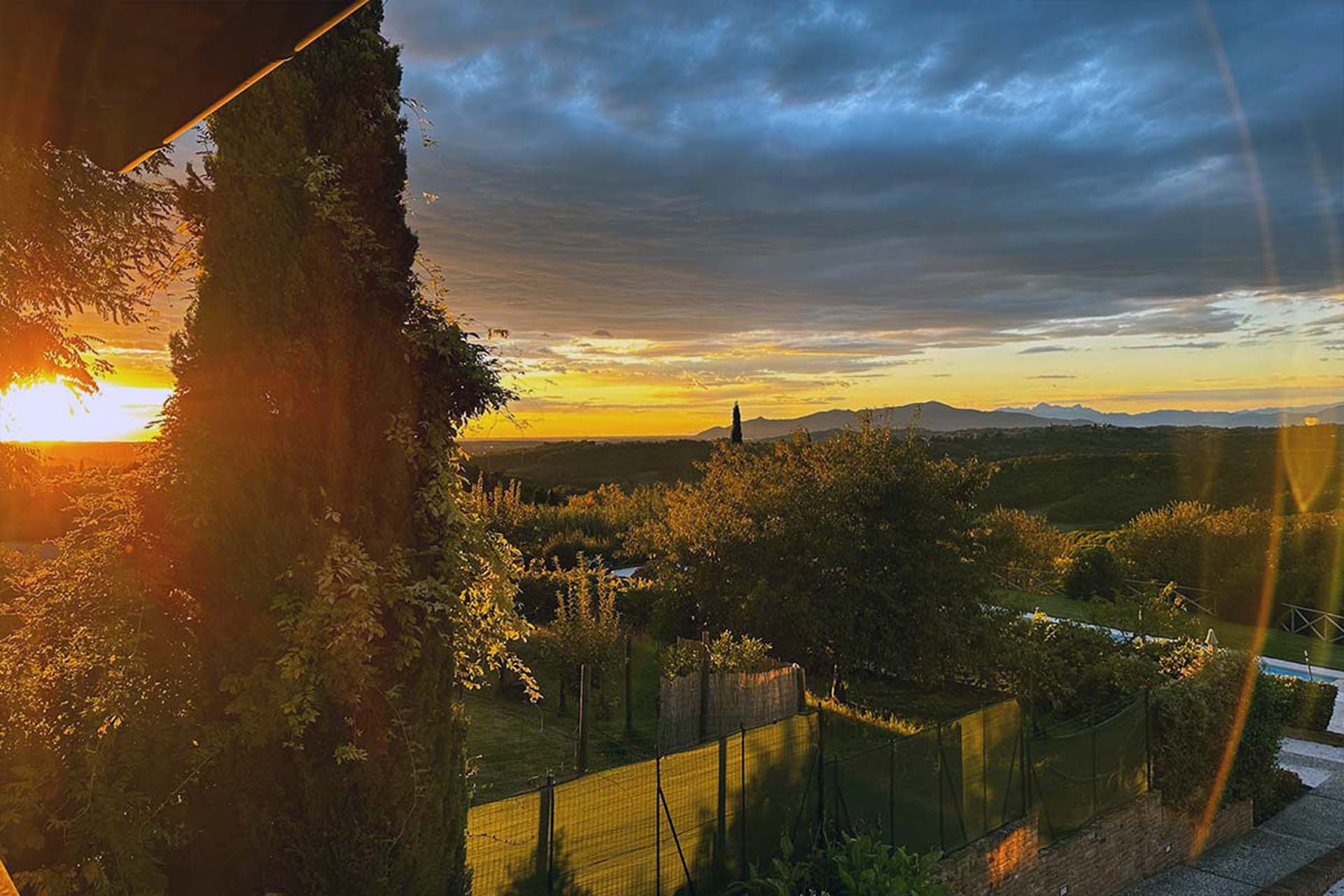
This project belongs to the lineage of the Mediterranean rural dwelling and agrarian compound typical of Tuscany.
Rather than presenting itself as a singular, iconic object, the ensemble reads as a cluster of modest residential units, recalling historic farmsteads and village-edge housing. It is an architecture of the everyday—inhabited rather than representational—rooted in local building traditions and shaped by climatic necessity. Its strength lies in anonymity and repetition:
a quiet architectural language refined over generations, conceived not as a singular gesture but as a durable, collective form of building.
Rather than presenting itself as a singular, iconic object, the ensemble reads as a cluster of modest residential units, recalling historic farmsteads and village-edge housing. It is an architecture of the everyday—inhabited rather than representational—rooted in local building traditions and shaped by climatic necessity. Its strength lies in anonymity and repetition:
a quiet architectural language refined over generations, conceived not as a singular gesture but as a durable, collective form of building.
Info
“Everyday architecture, timeless in its simplicity.”
-
Clientprivate
-
LocationTuscany, Italy
-
Project delivery phaseunder construction
-
Scope of WorkArchitecture & Concept Development
-
Architectprojectlab.inc
The
Result
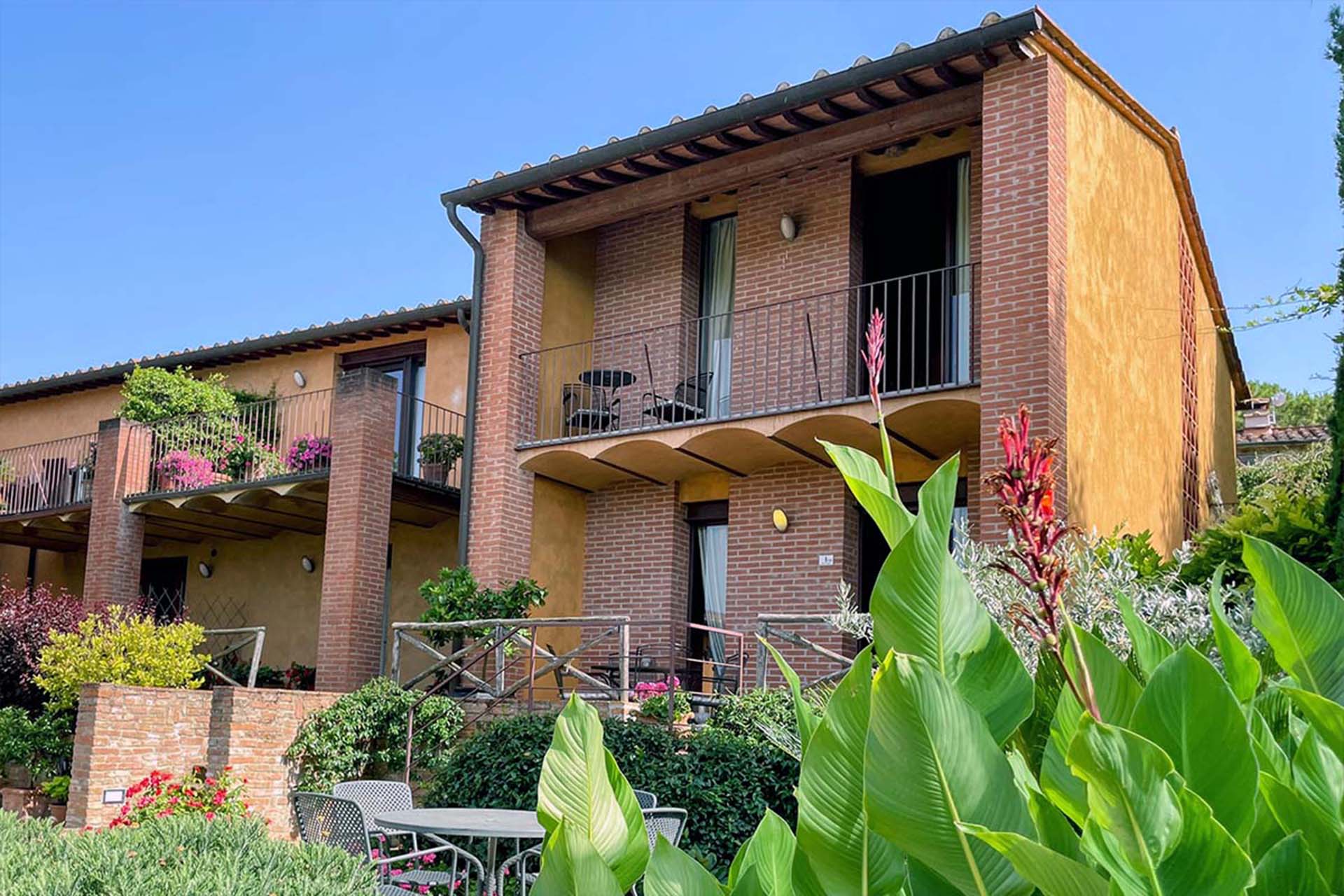
This architecture expresses restraint, continuity, and humility. It avoids novelty and instead relies on proportion, repetition, and material familiarity to achieve quality.
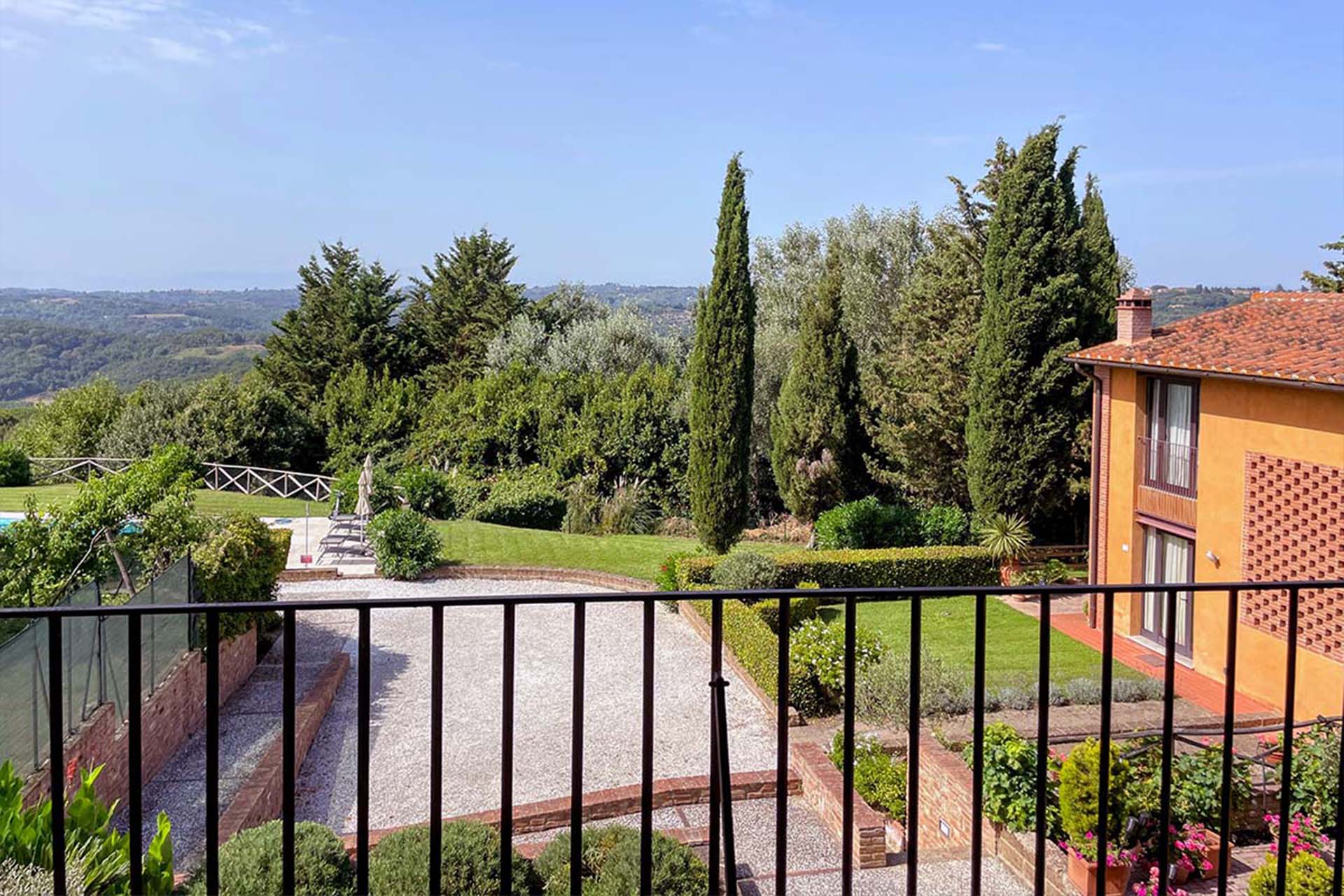
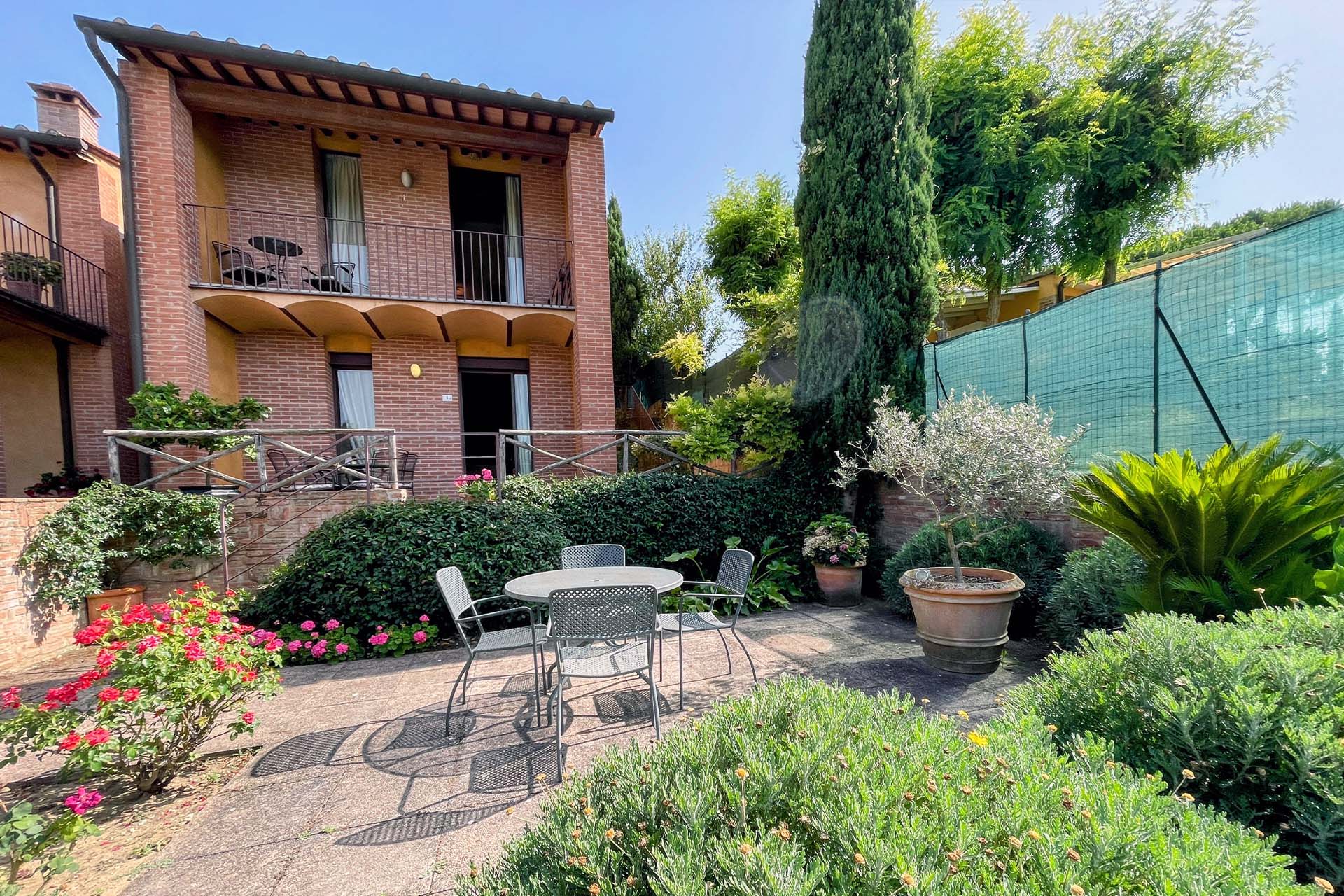
Its value lies not in visual impact but in long-term livability. The buildings feel robust, adaptable, and forgiving—capable of aging gracefully and accommodating everyday use without loss of character.
Ultimately, the project exemplifies an architecture of place rather than authorship: shaped by climate, craft, and cultural memory, and defined by comfort, slowness, and quiet permanence.
Its value lies not in visual impact but in long-term livability. The buildings feel robust, adaptable, and forgiving—capable of aging gracefully and accommodating everyday use without loss of character.
Ultimately, the project exemplifies an architecture of place rather than authorship: shaped by climate, craft, and cultural memory, and defined by comfort, slowness, and quiet permanence.
Florida
USA